A 2-Time 100x Junior Resource Multi-Millionaire Reveals…
The $10 Trillion Energy Stone
How One Tiny Substance Could Mint The Next Wave Of Single-Stock Millionaires… With The First Supply Shock Hitting Just Days Ago…
Take a look at this tiny stone.
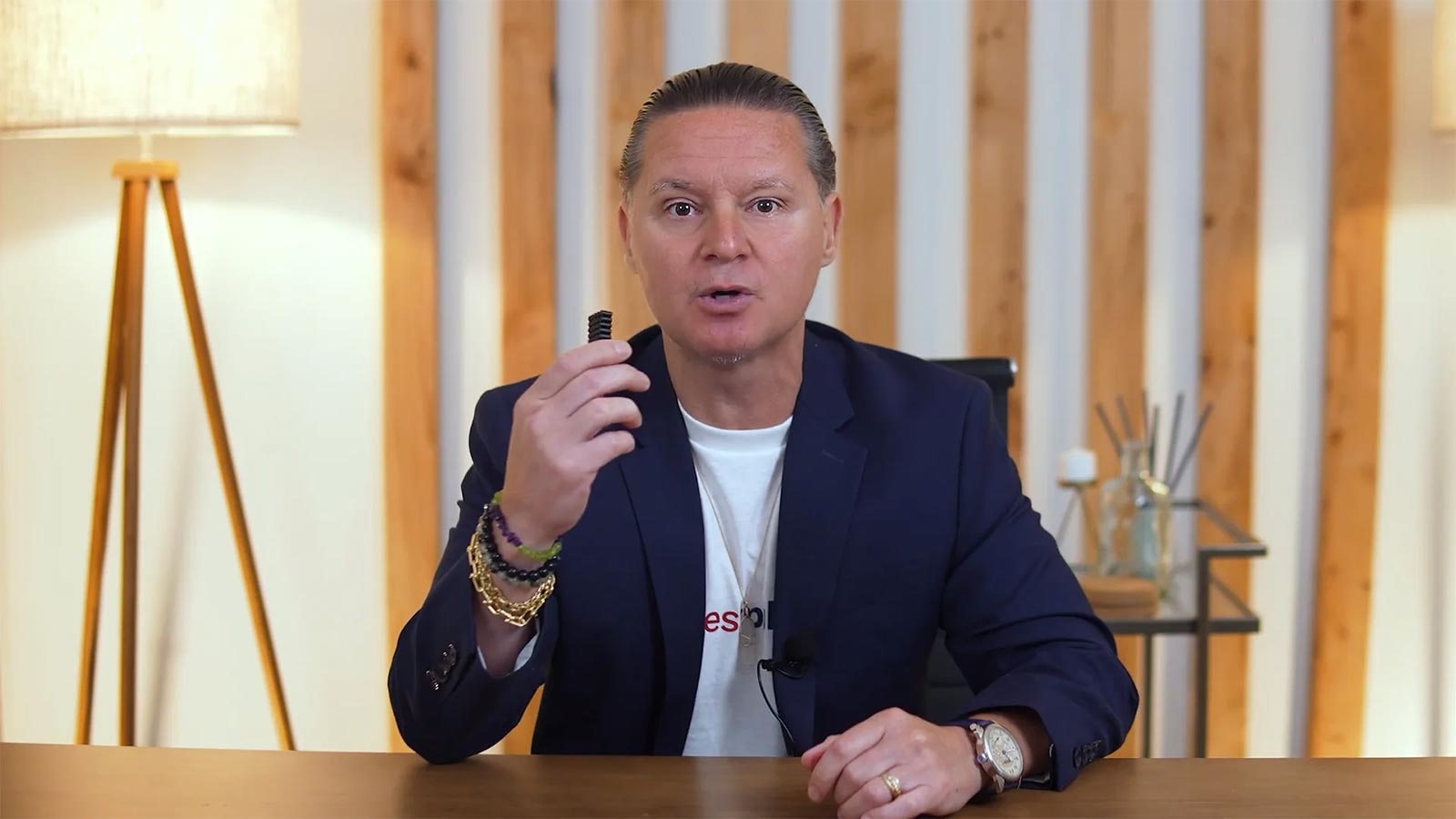
It’s about the size of a pencil eraser.
What’s inside it is the most concentrated form of usable energy human beings have ever discovered on Earth.
And it could make some investors very rich, very soon.
Just one of these holds the same raw energy as a full ton of coal.
Or 149 gallons of oil.
Or 17,000 cubic feet of natural gas.
Just 10 of these can power a typical American home for a full year. Every light. Every appliance. The A/C running all summer long.
A coffee cup full could run your home for decades.
And a single truckload could light up a small city for a year.
It’s why Bank of America just called the market for what’s inside this little stone a $10 trillion opportunity.
It’s why Morgan Stanley projects governments and utilities will pour $2.2 trillion into the infrastructure that runs on it by 2050.
And it’s why the biggest corporations on the planet are racing right now to lock up every ounce they can get.
The Largest Companies On Earth
Are In A Sprint For This Energy Stone
Microsoft just signed the largest single energy commitment in its fifty-year history for this exact substance.
A twenty-year deal worth billions of dollars.
All of it tied to a single American facility that had been shut down and left for dead.
Meta locked up its own twenty-year supply agreement for it, at a scale no technology company has ever committed to before.
Then it quietly told the public it needs far more of the same substance on top of that through the early 2030s.
Google contracted the entire future output of seven brand-new American power plants.
Around-the-clock delivery, locked up for years.
Amazon paid $650 million in cash for a single site already wired to consume it.
The U.S. Air Force just chose the Energy Stone for Eielson, a strategic base in Alaska, over every alternative on the planet.
And on May 23, 2025, sitting at the Resolute Desk inside the Oval Office, the President signed four separate executive orders in a single afternoon.
Every one of them invoked the Defense Production Act.
Every one of them was aimed at this exact substance.
In all my years of investing in natural resources, I have never seen this many powerful institutions scrambling for one substance at one moment.
The smartest CEOs in technology have collectively committed more than a trillion dollars to building the AI future.
And every one of them admits the same thing…
The Future Can’t Happen Without This Energy Stone
The last time this same resource had a supply shock and a demand surge like the one forming now, the small producers that mined it went vertical.
A single $1,000 stake in just one of them grew to over $130,000.
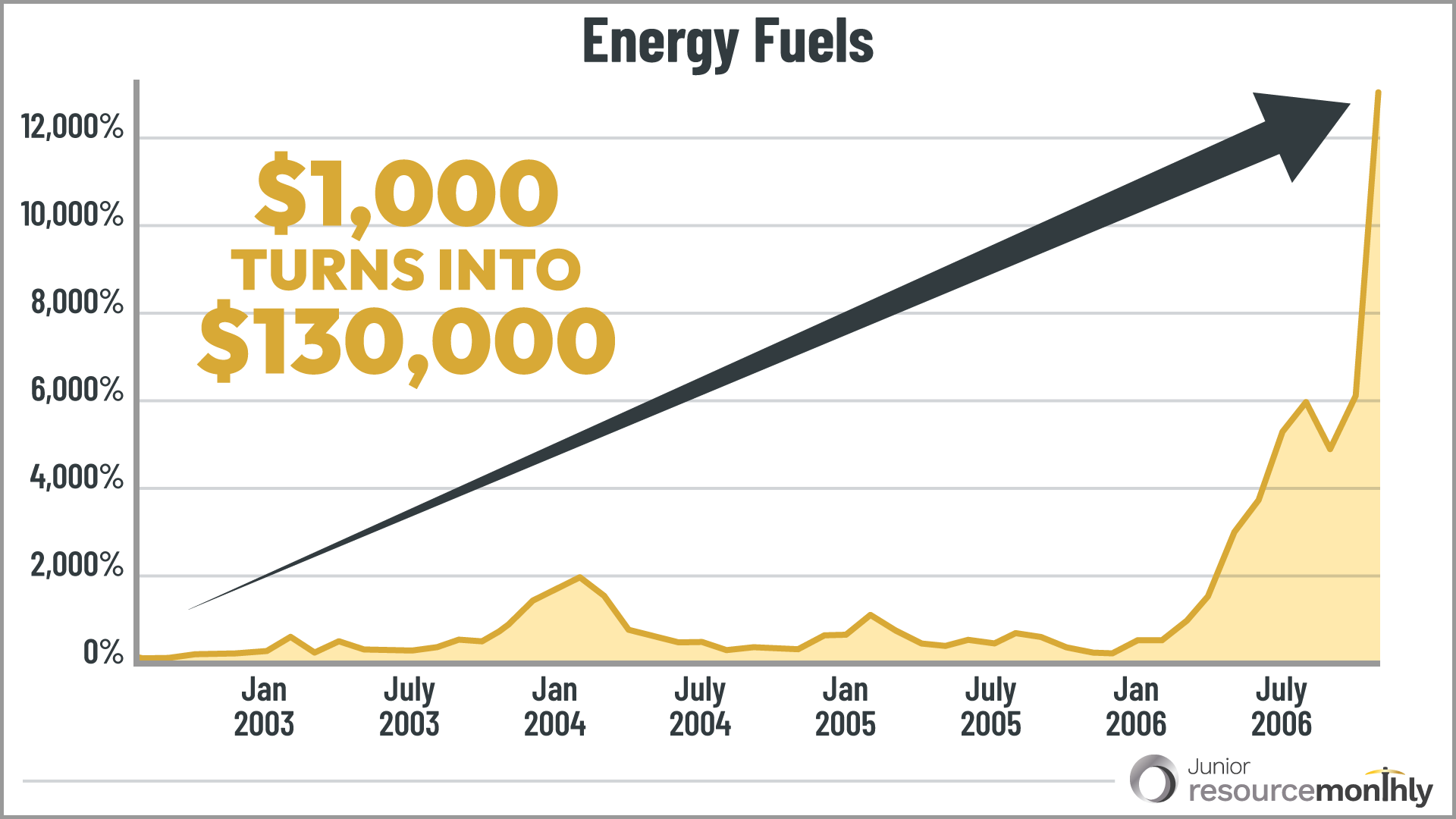
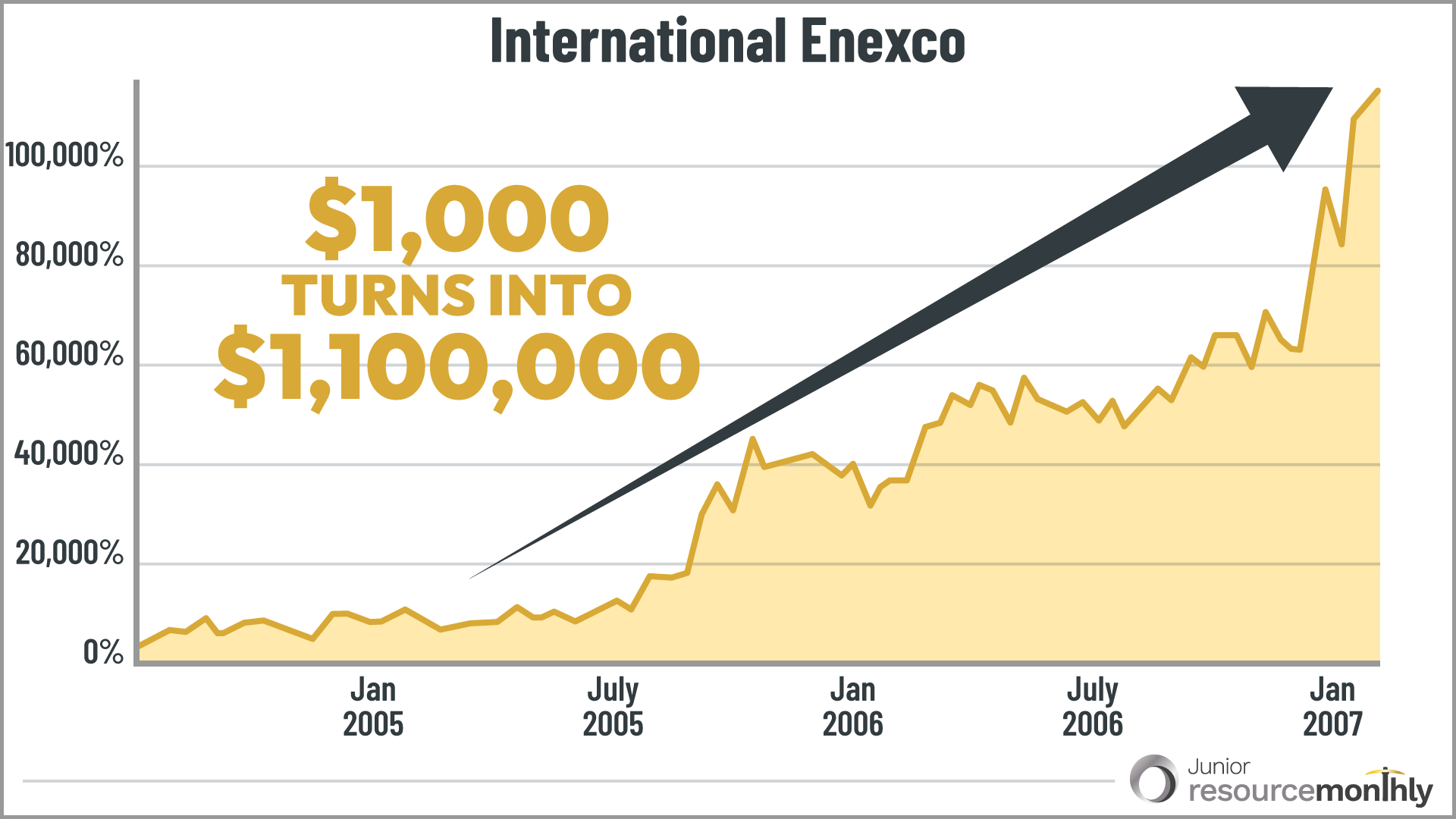
Another soared past $1.1 million.
And at the very top of that leaderboard sat a tiny Australian company, which started the cycle trading for less than a penny.
That little stock turned a $1,000 stake into more than $1.3 million in less than four years.
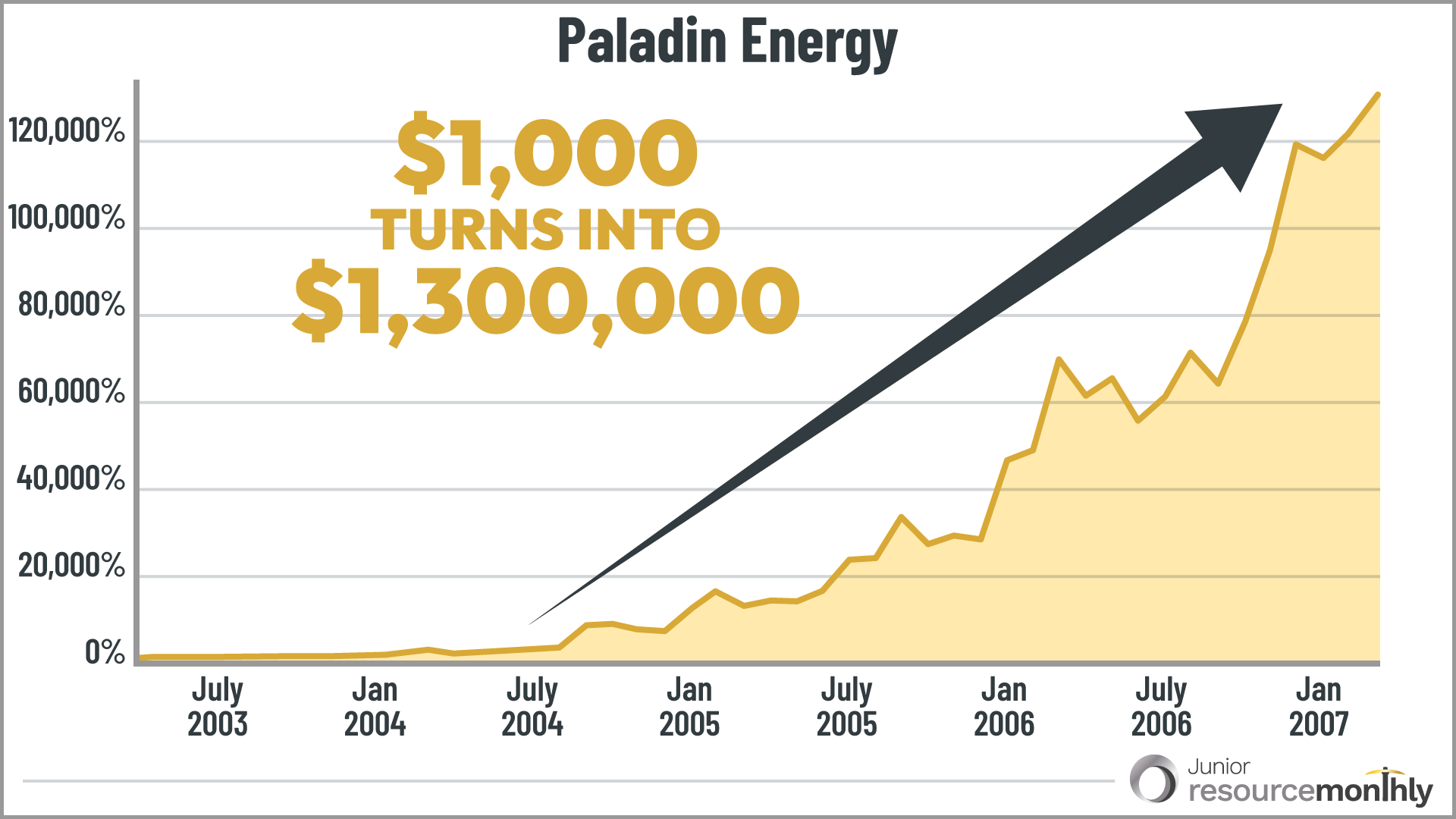
And a $5,000 stake would have turned into more than $6.5 million.
Every condition that produced those returns is in place again right now.
But this time…
There’s one massively powerful buyer that didn’t exist in the last cycle.
Which is why I believe what could be about to happen…
Is unlike anything we’ve ever seen before.
And anyone who gets in now, while there’s still time, could see the chance to land a single-stock fortune.
And I’m about to show you exactly how to take advantage of it today.

Let’s get it.
My name is Gerardo Del Real.
I’ve spent the last 15 years in the resource sector making millions off the hottest stocks most people miss.
I have a knack for getting into the tiny companies poised to explode before most people realize what’s about to happen.
That’s because I get my hands dirty. I walk the ground of the next great discoveries. I talk to the management teams.
And the network I’ve built over my whole career brings me the best little-known opportunities most investors never see.
Most investors sit at their screens looking at the same information as everyone else.
My network tells me what is happening on the ground long before it ever shows up on a screen.
I’ve stood at the edge of drill pads in remote locations, watching geologists pull fresh core out of the rock with their bare hands.
I’ve stood on top of tens of millions of dollars worth of high-grade lithium pulled from the ground deep in the Black Hills.
And I’ve hiked the jungle of Peru for hours just to see a little-known discovery with my own two eyes.
And when I find a company I genuinely believe in, I write the check first, with my own money, before most people ever hear the name.
Two 100-Baggers And An 80-Bagger
And because of the work and effort I put in that most aren’t willing to do…
I’ve spotted two 100-baggers, an 80-bagger, and dozens of triple- and quadruple-digit winners along the way.
Many fund managers running billions of institutional dollars will go their entire careers without spotting even one of these.
The biggest was a small Canadian lithium explorer almost nobody had heard of. Patriot Battery Metals.
I got my readers and myself in at sixteen cents a share.
It went on to deliver gains of 10,000% before the cycle was done.
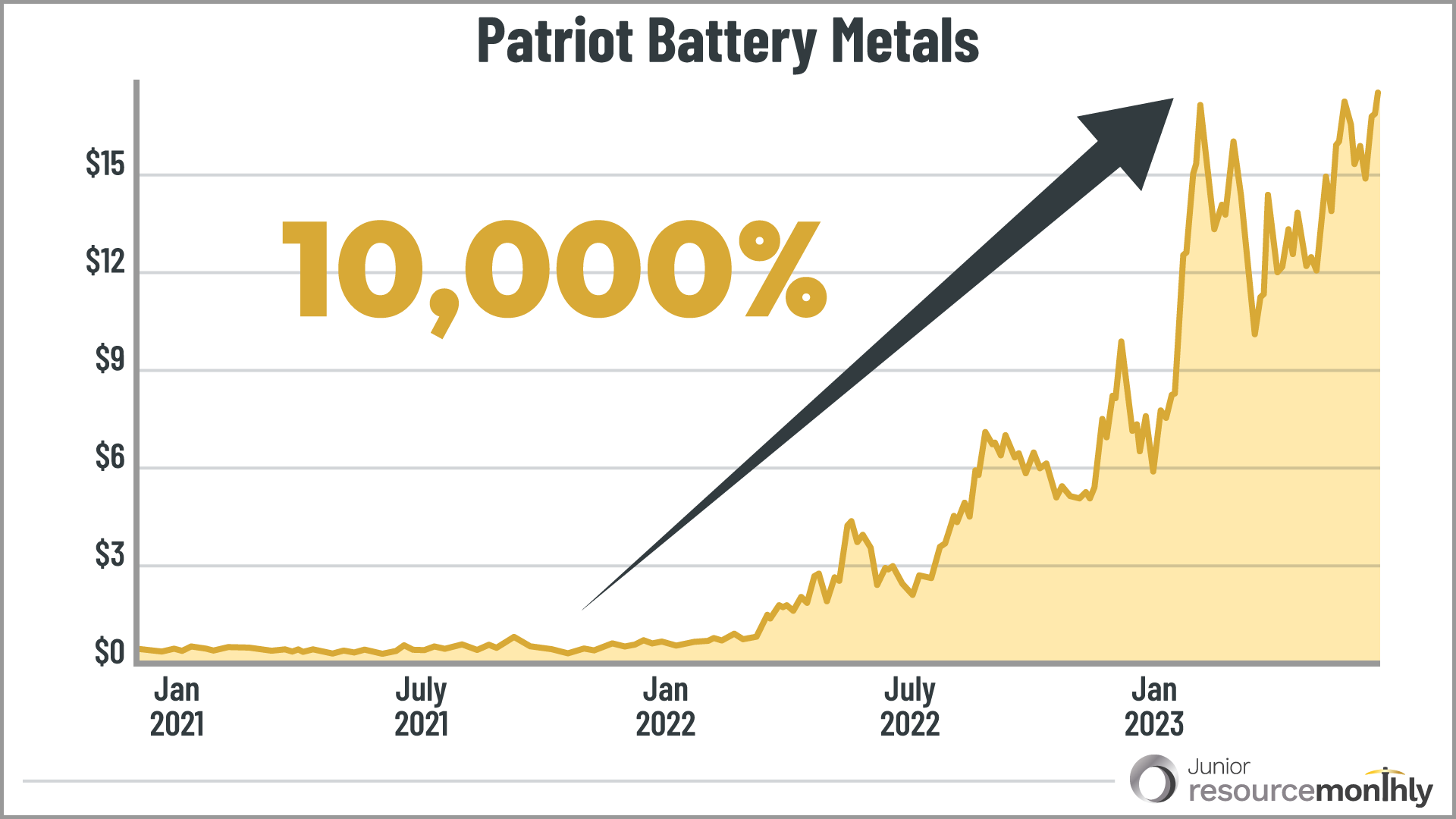
A hundred-fold move on the original entry.
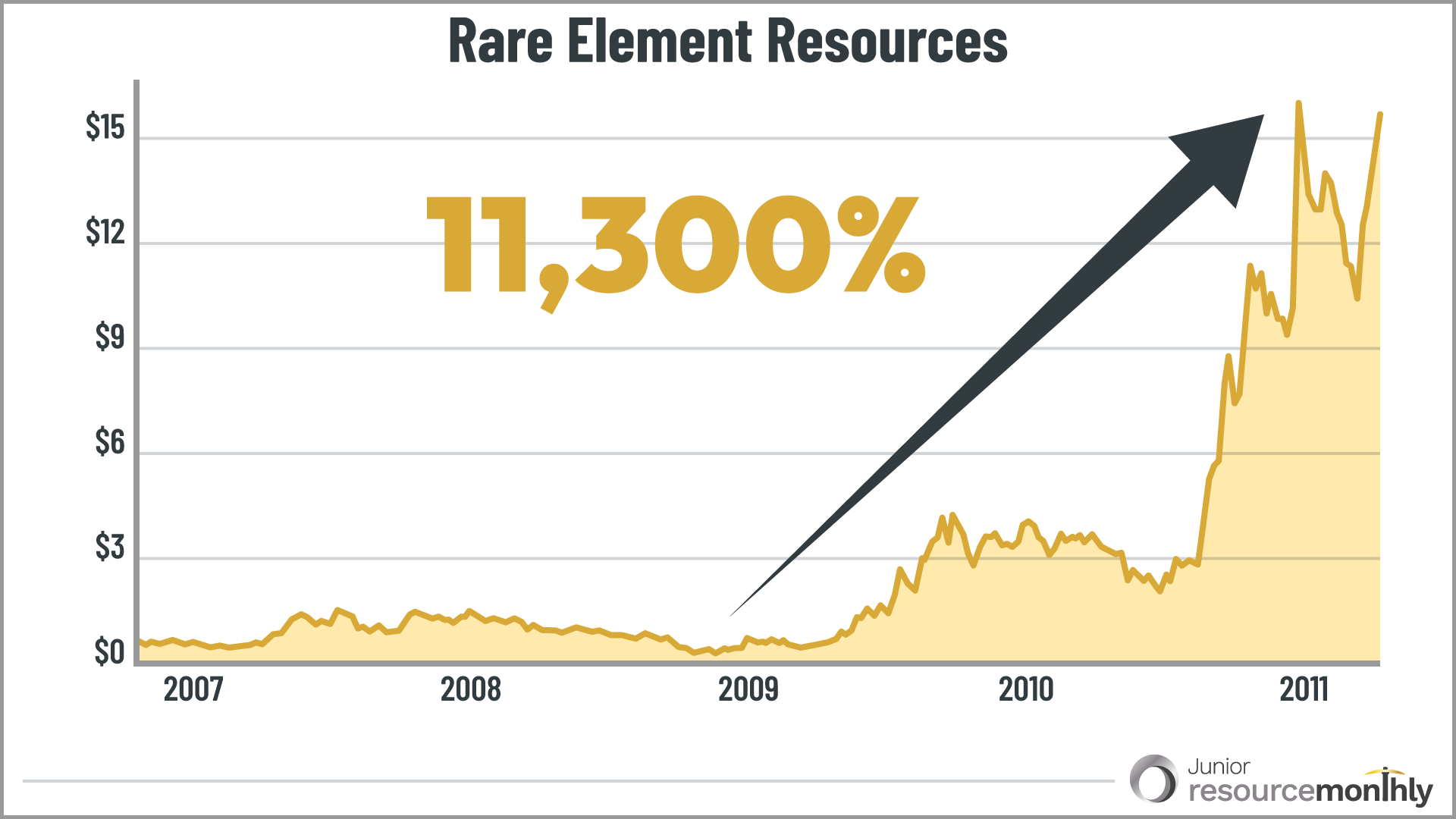
Earlier in my career I also called Rare Element Resources, which ran 11,300%.
And Quest Rare Minerals, which ran 7,900%.
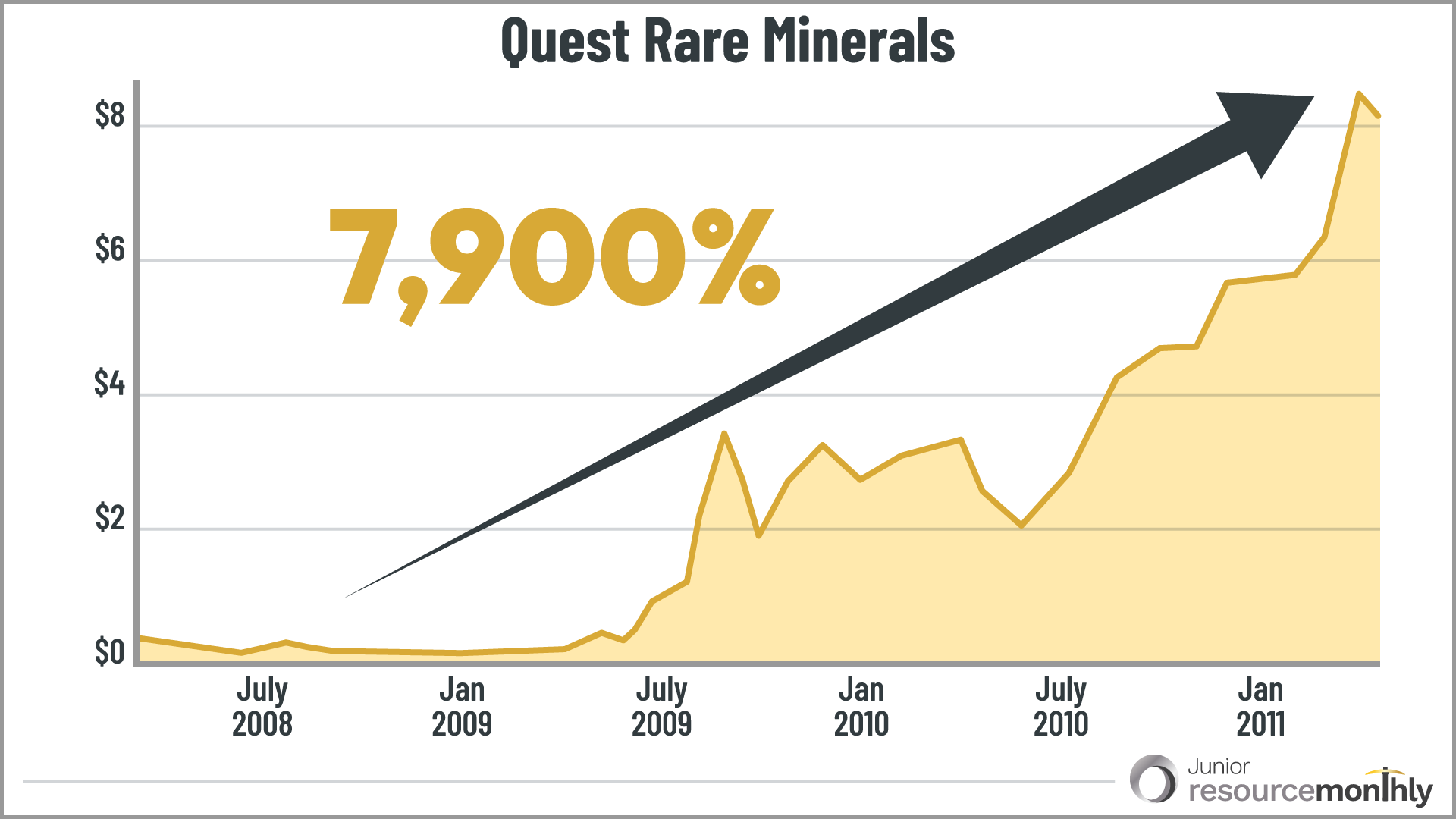
These are massive winners to be sure.
But I believe what’s about to happen with the Energy Stone could produce the biggest gains I’ve seen in my career.
Here’s why.
Every one of those earlier winners came from the same place: a tiny company sitting on the right resource just as a wave of new demand crashed into it.
The Energy Stone is that same story… with more force behind it than anything I have ever covered.
Because this time, there are three forces converging on one substance at the same moment, all of them landing on the same small group of federally-positioned producers.
I’m Calling This A Convergence Event
And frankly, it’s one of the rarest setups I’ve ever seen.
It only happens when three forces land on the same tiny group of producers at once. Supply collapses. A government scrambles to respond. And demand surges from a buyer nobody saw coming.
The last two times a Convergence Event hit, the small companies producing that substance did not gain two hundred percent.
They did not gain five hundred percent.
They gained tens of thousands of percent.
A single thousand-dollar stake turned into more than a million.
That is what a Convergence Event can do to a portfolio when a regular investor gets in front of it in time.
And when a Convergence Event hits, it is not just the stocks that move.
The entire American economy reorganizes around the resource at the center of it.
Capital floods in. Engineers and geologists get pulled out of retirement.
Turning small stakes into life-changing fortunes for the investors who got positioned before the rest of the market figured out what was happening.
And it all starts with the little stone I showed you at the beginning.
Hold the Energy Stone in your hand and it feels unremarkable. A dull, heavy, gray-black pellet, cool to the touch.
But it is the heaviest natural element on Earth. Element 92. Forged in the collisions of dying stars, billions of years before our sun existed.
And locked inside its atoms is the most concentrated energy mankind has ever found.
You already know its name.
I’m talking, of course, about uranium.
Now, if you have followed the news lately, you know uranium is not a dirty word anymore.
Polls show more Americans support nuclear power today than at any point in decades.
But for most of my lifetime, that was not true.
For forty years, the word uranium meant one thing to the average American investor: danger.
Three Mile Island. Chernobyl. Fukushima.
Mushroom clouds, geiger counters, and a half-century of dystopian science fiction turned this element into the most feared substance on Earth.
And Wall Street treated the companies that mine it like they were radioactive too.
That long freeze is why the opportunity in front of you is so big.
Because while the fear was doing its work in public, something else was quietly killing the American uranium industry behind the scenes.
And Almost Nobody Knows This Story
But it’s critical to why the present opportunity exists…
And why I believe those who get in now could see the chance to make a single-stock fortune.
Let me explain.
In March 1979, a partial meltdown at Three Mile Island caused a national panic. Nobody died, and the containment systems performed exactly as designed.
But the American public was finished with nuclear. Within months, virtually every new American nuclear construction project on the books was canceled.
Then in 1986 came Chernobyl.
Then in 2011, Fukushima.
The accidents stopped America from building new power plants. But it was a deal, signed in Washington, that killed off American uranium mining itself.
In 1993, Washington signed an agreement with Moscow called Megatons to Megawatts.
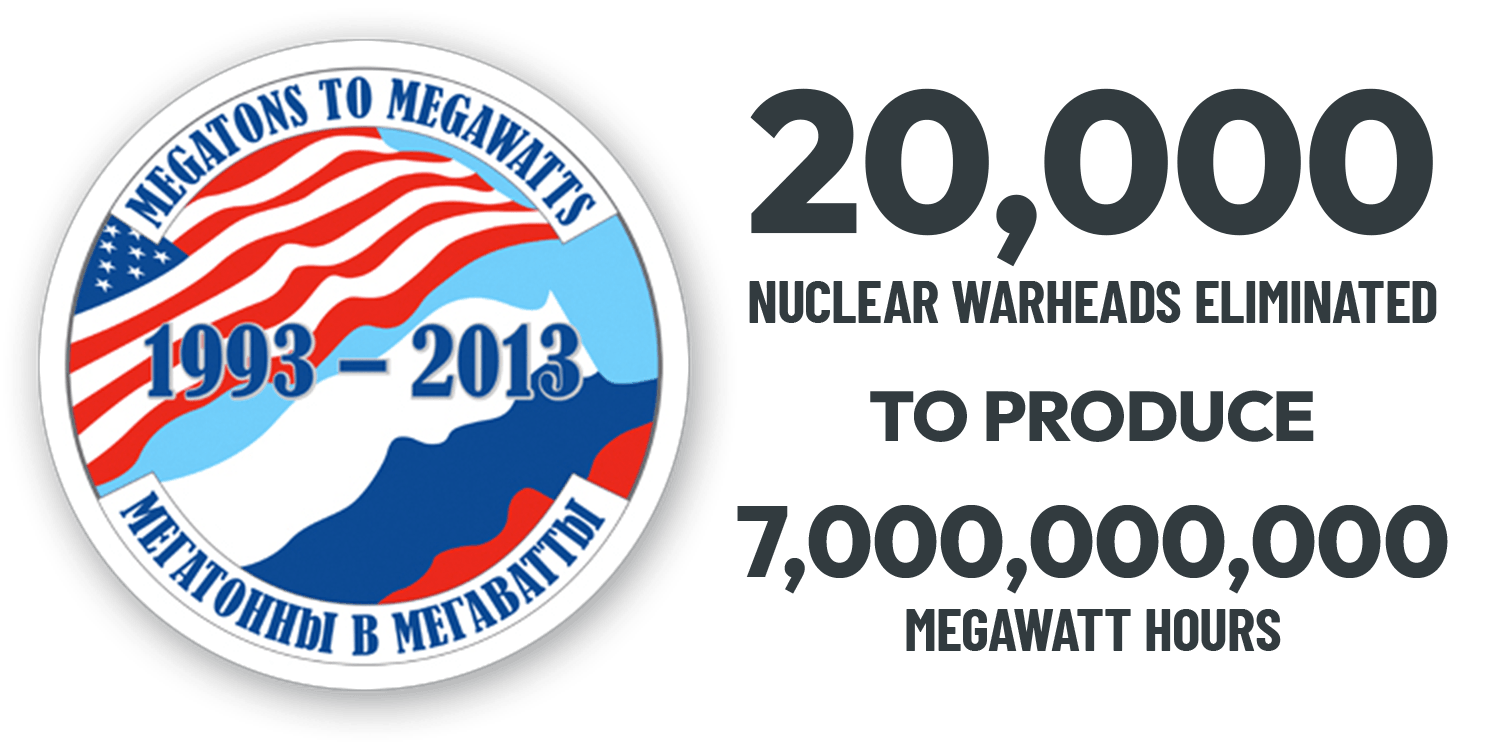
Russia would dismantle roughly 20,000 Soviet nuclear warheads, blend the bomb-grade uranium down into reactor fuel, and sell it to the United States.
For the next twenty years, one out of every ten light bulbs in America ran on uranium pulled out of Russian warheads.
Half the fuel in America’s reactors came from dismantled Soviet bombs.
Think about what that meant if you were an American uranium miner.
You were not competing against another mine.
You were competing against a warhead, already dug up, already refined, already enriched, being sold at prices no mine on Earth could match.
American mines could not survive that flood. One by one, they closed, and the crews that ran them scattered.
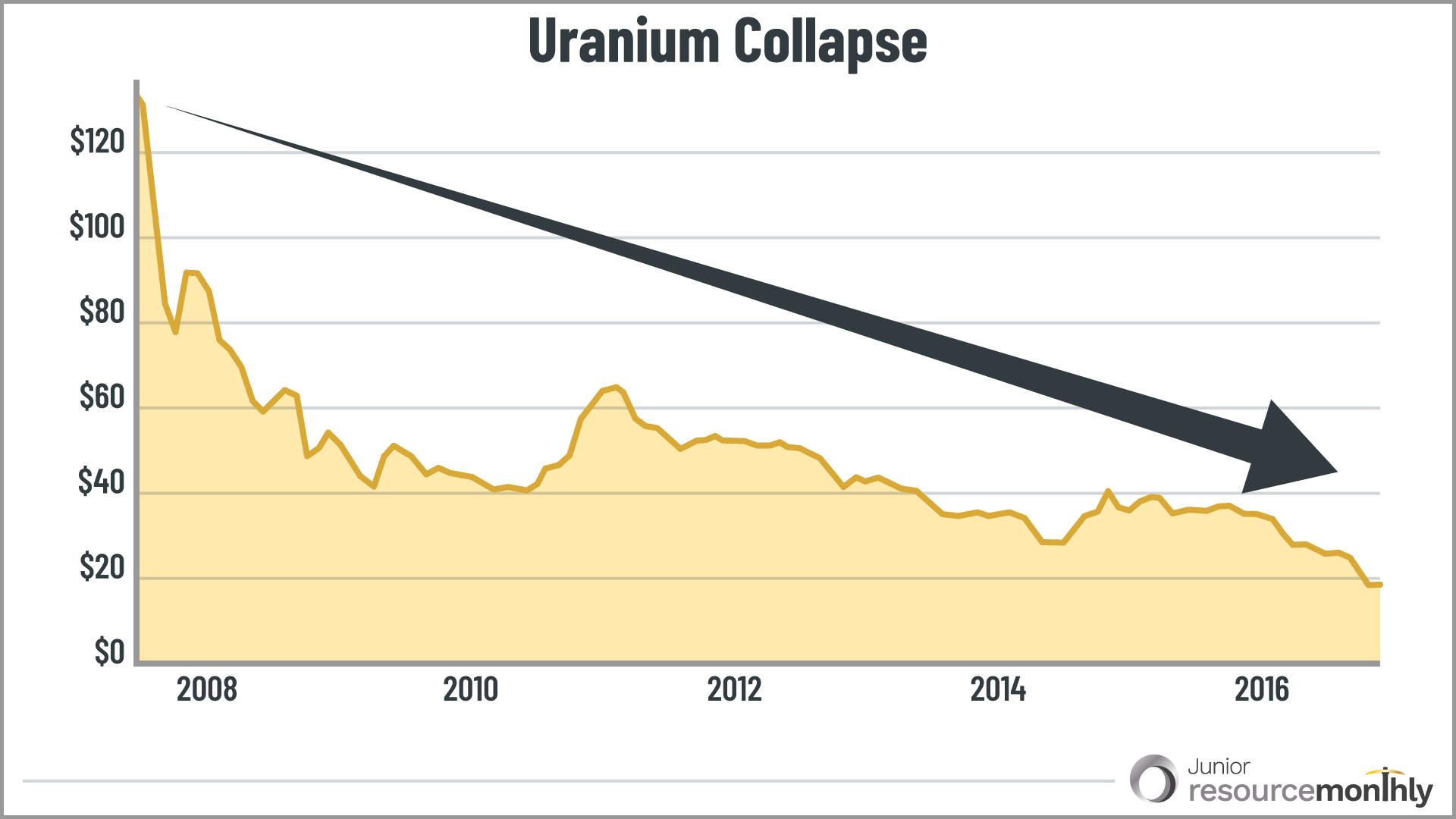
Even after uranium’s brief, violent boom in the mid-2000s, the collapse resumed, and the price sank from $136 a pound all the way back to under $20.
Wall Street stopped covering the sector. No new exploration got funded. No new mines got built. No new engineers or geologists entered the field.
And when the warheads finally ran out in 2013, America did not rebuild its uranium industry.
It simply kept buying from Russia.
That is the dependency Congress finally banned by emergency law in 2024.
It is why the President signed four executive orders in a single afternoon.
And it is why, today, with the largest demand wave in history arriving, the United States mines almost nothing.
Our own government buried the industry.
Which is why a small handful of North American developers and producers, companies most investors have never heard of, are now staring at the best setup this industry has ever handed anyone…
Giving early investors a shot at single-stock fortunes like I’ve experienced several times.
Because through all of that mess, one thing never changed.
Uranium moves in massive, repeating cycles.
Twice in the last 50 years, even inside that long bear market, this left-for-dead sector caught fire.
And Both Times, It Minted Fortunes
I believe it’s about to happen again.
Let me show you.
The first Convergence Event hit in October 1973.
OPEC cut America off from cheap oil and Washington scrambled to lock up an alternative.
The price of uranium rose more than sevenfold in less than a decade.
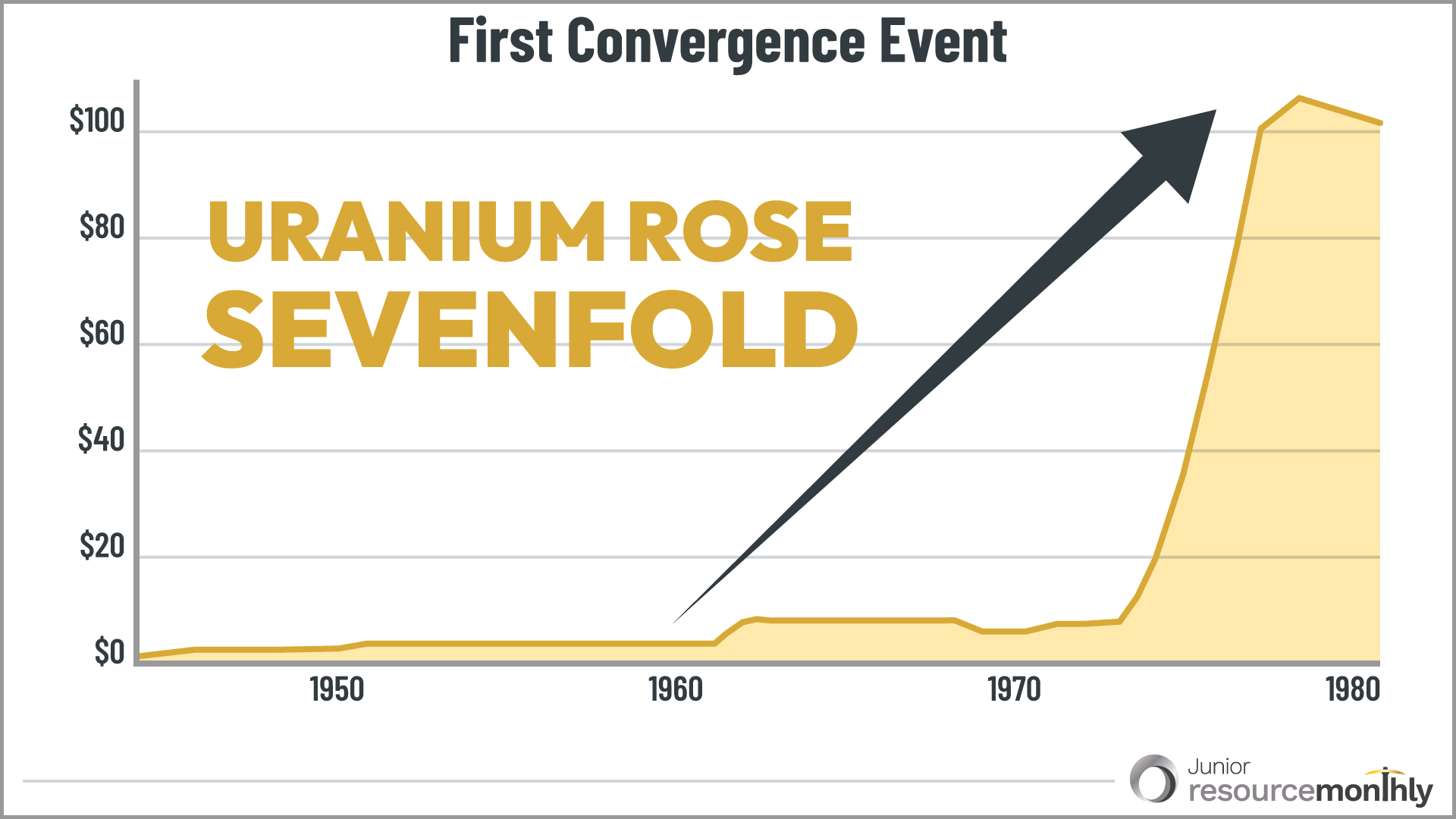
And the small producers that mined it minted hundreds of newly-rich investors across North America and Australia.
The second was bigger.
And it is the same kind of blueprint for what is forming right now.
In October of 2006, a massive, half-built uranium mine called Cigar Lake, in a remote corner of northern Saskatchewan, was about to come online.
It held the largest undeveloped high-grade uranium deposit on Earth.
The world had pre-purchased years of its output.
Then disaster hit.
A rockfall breached the mine wall, and water poured in faster than the pumps could handle.
The crews fought for days to seal it off, but they failed.
The entire facility, the most important new source of supply anywhere on the planet, was lost beneath the floodwaters.
The market panicked.
The spot price, drifting at roughly $10 a pound at the start of 2003, ran in a near-straight line to $136 a pound by June 2007.
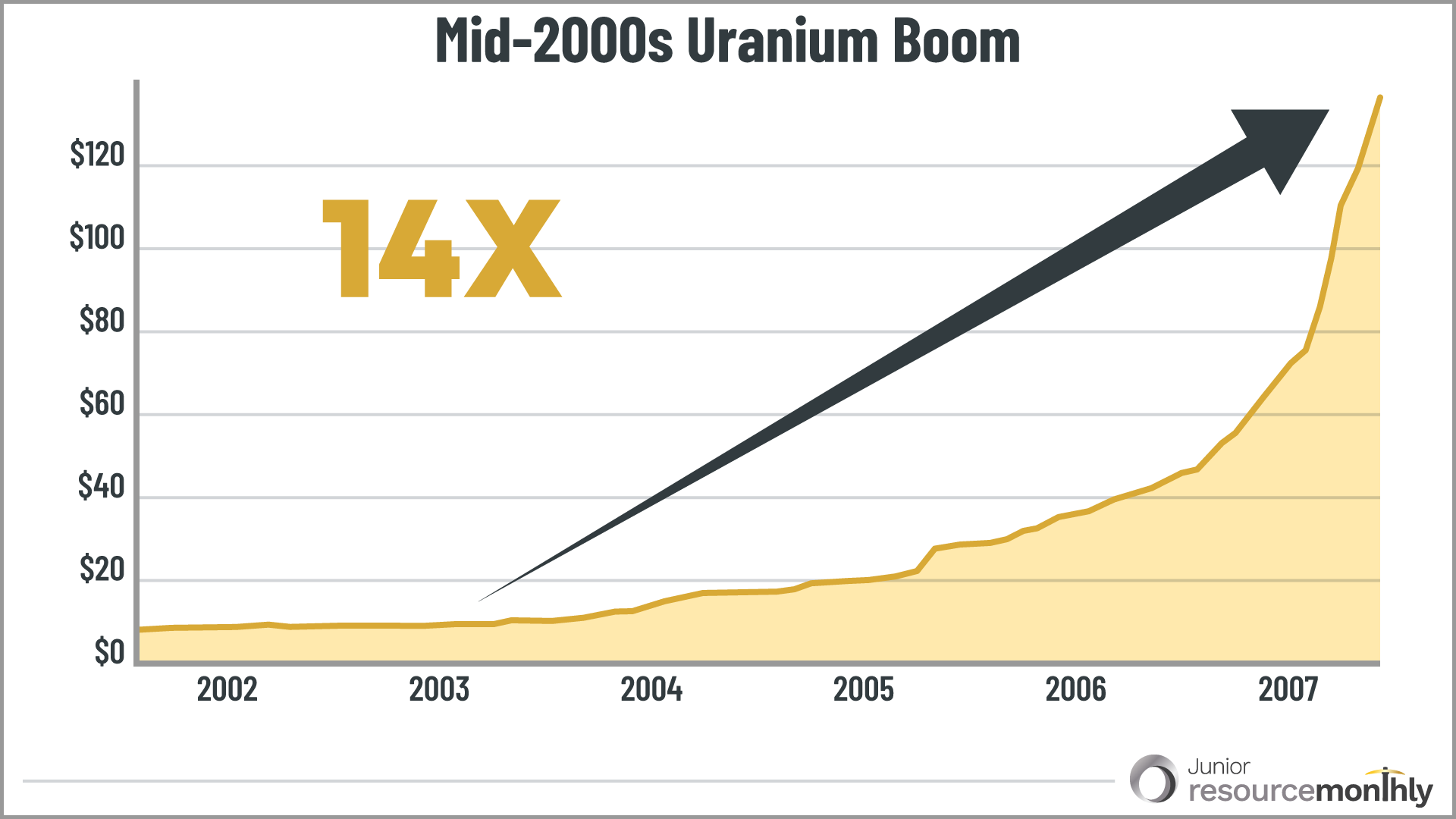
A fourteenfold move in four years.
And the small producers that controlled the supply went vertical with it.
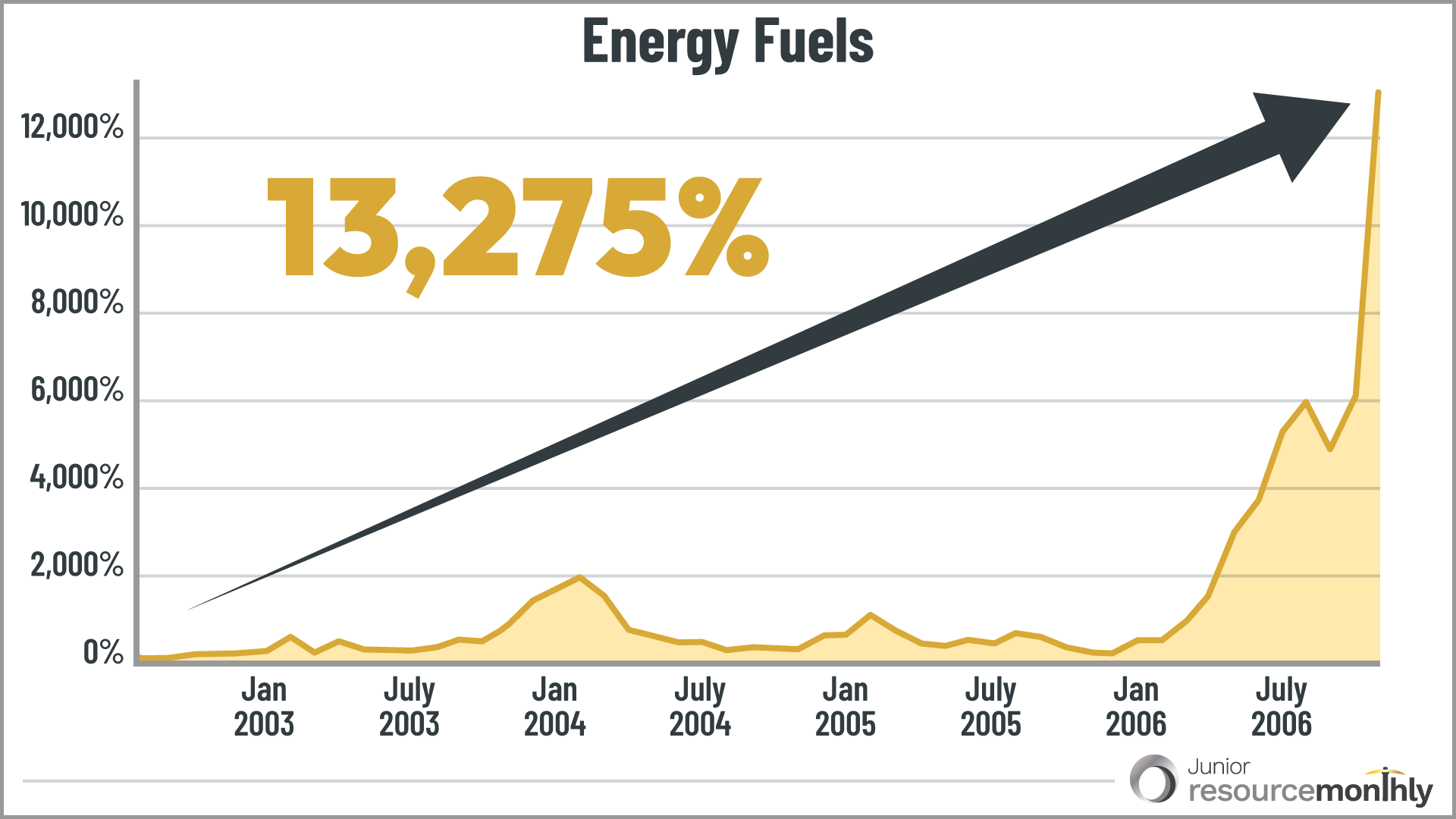
Energy Fuels returned 13,275%. A $1,000 stake became $132,750.
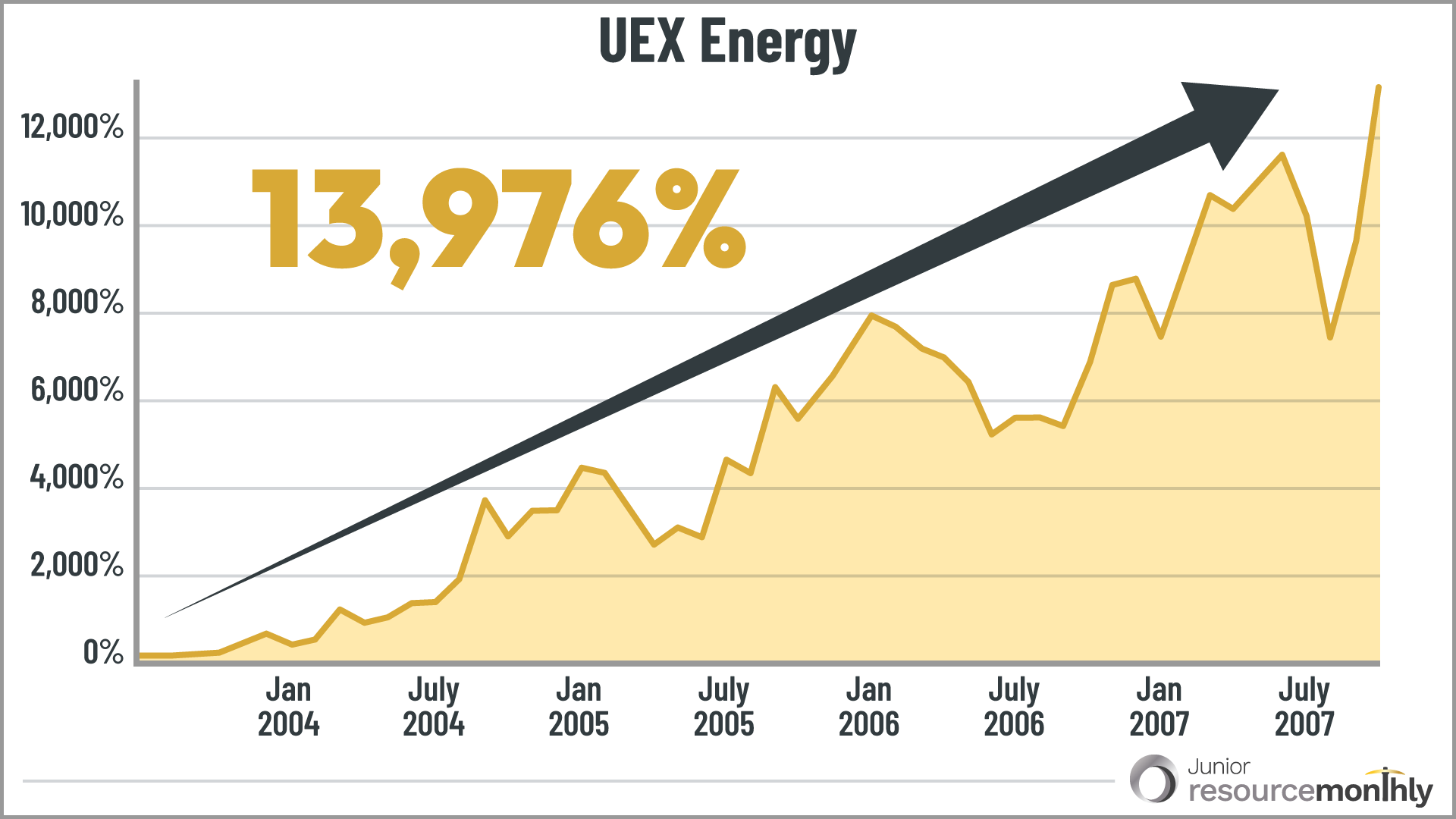
UEX Energy returned 13,976%. A $1,000 stake became nearly $140,000.
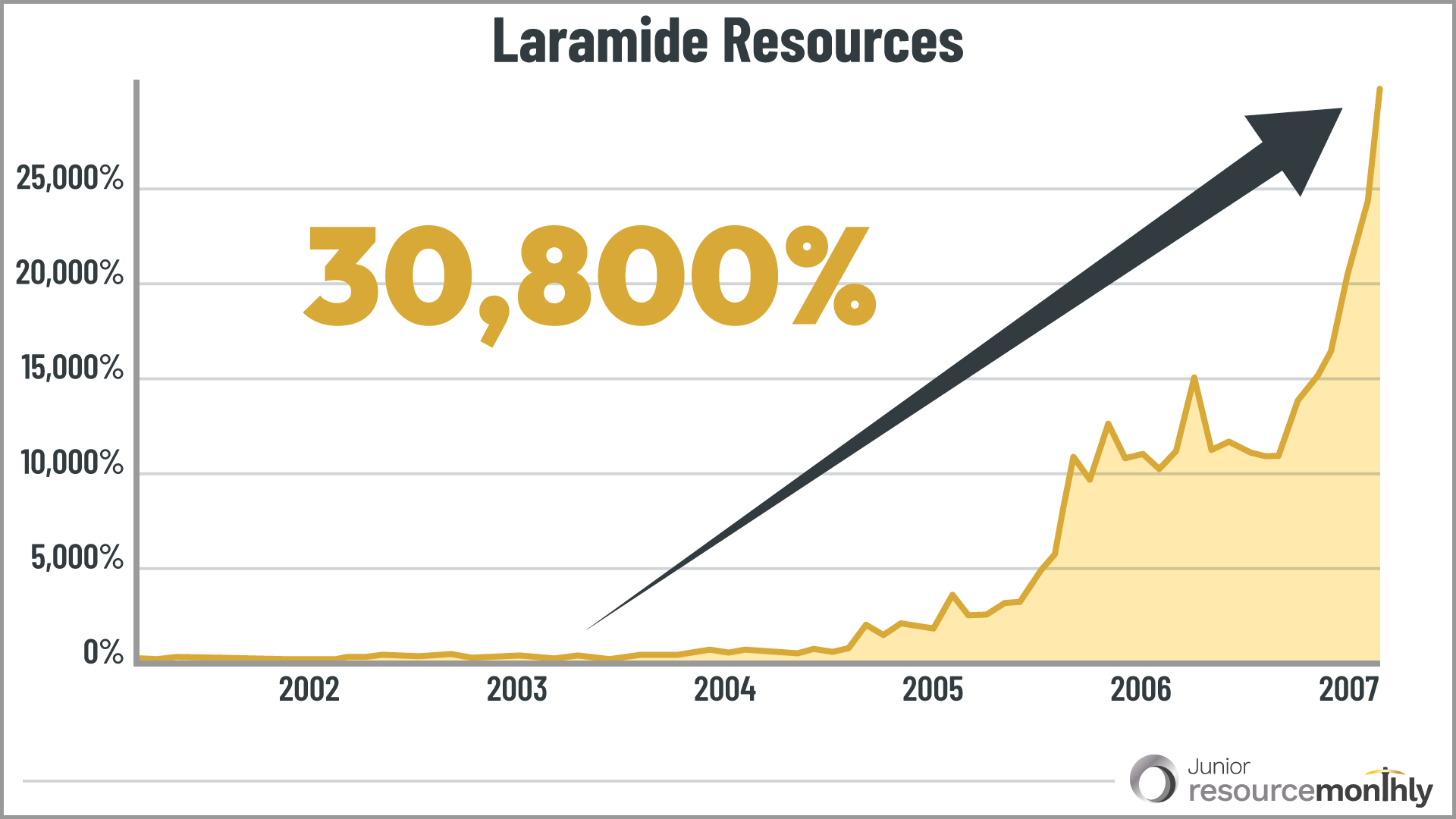
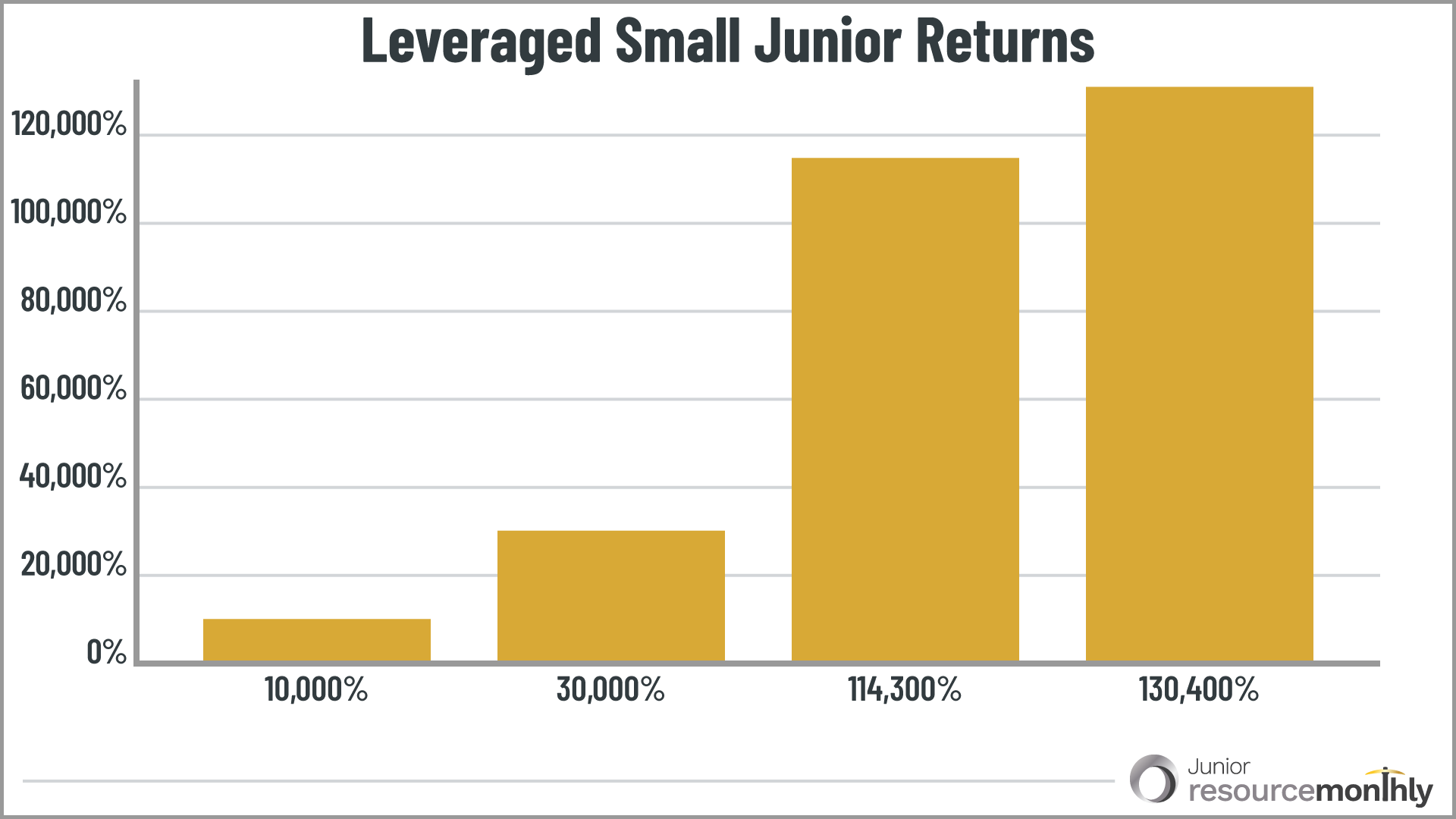
Laramide Resources, a small junior with a single major project, returned 30,800%. The same $1,000 grew to over $300,000.
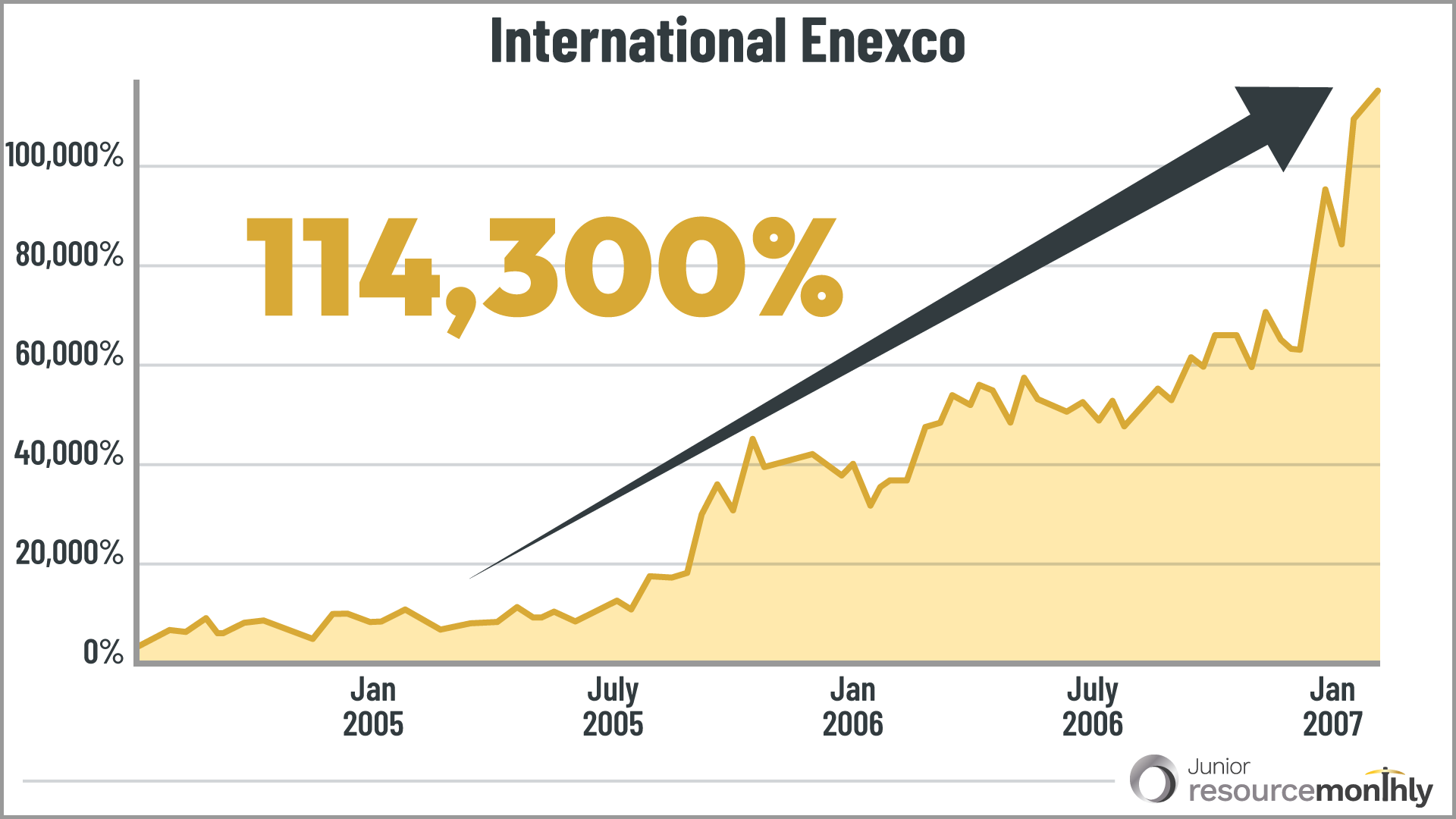
International Enexco, an even smaller, earlier-stage explorer, returned 114,300%, which turns $1,000 into $1.1 million.
And at the very top of the 2006 leaderboard sat Paladin Energy, which returned 130,400%.
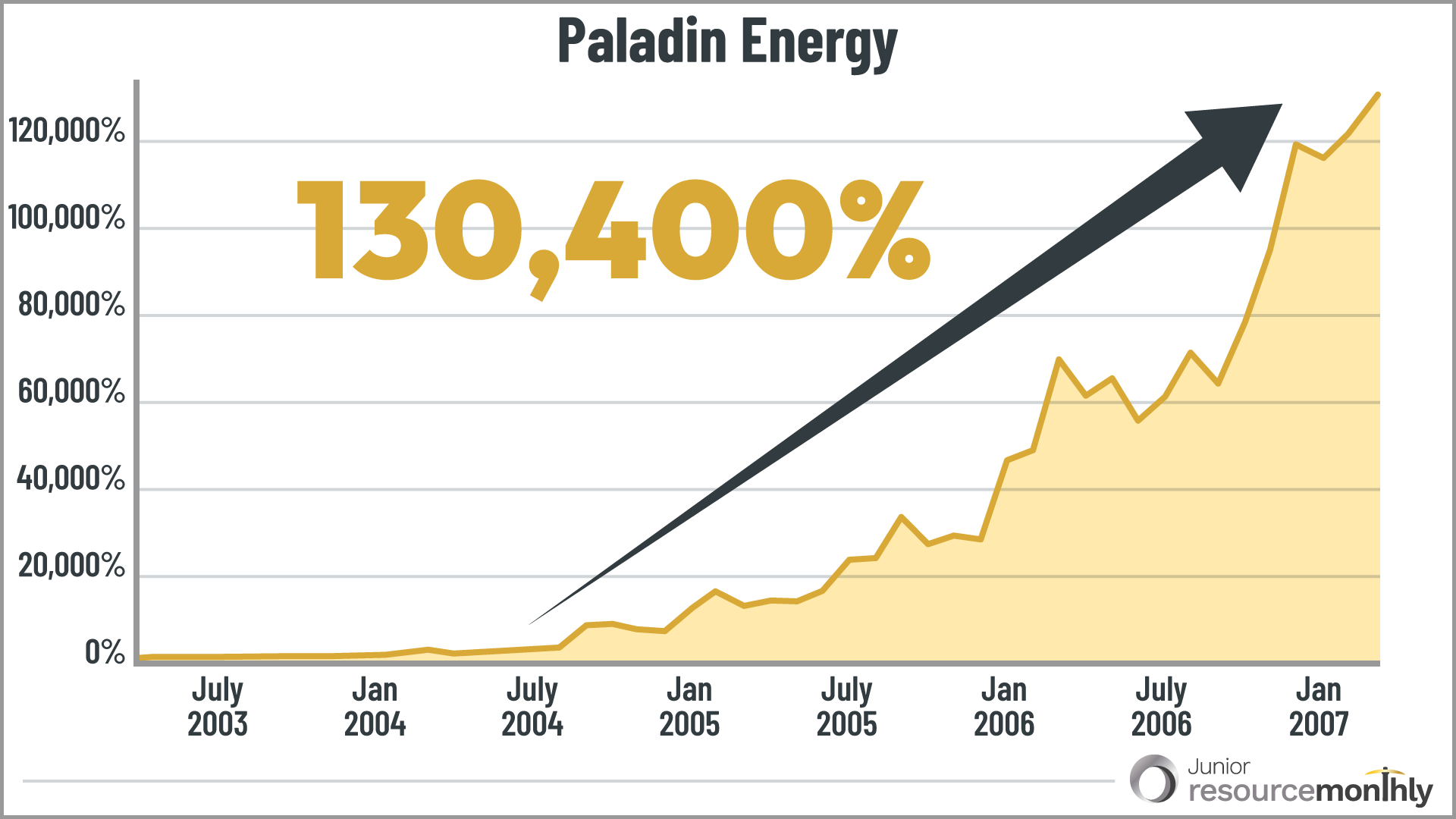
A single $1,000 stake into that one company became more than $1.3 million.
Each one of these could have been a single-stock fortune maker for anyone who got in early.
Both Events, 1973 and 2006, were born the same way.
A major supply shock hit.
The government scrambled to respond.
And a surge of demand landed on a tiny group of producers.
And Right Now, For The Third Time In Half A Century, Every One Of Those Forces Is Converging Again
The supply shock has already hit. The government response has already been signed into law.
But there’s a big difference this time…
A difference that could make this Convergence Event much bigger than what happened in 2006.
A sudden, urgent surge in demand is coming from the largest, richest, most well-capitalized single buyer the resource sector has ever encountered.
A buyer that did not exist in the 1970s.
A buyer that barely existed in 2006.
A buyer that, in the past 18 months alone, has publicly committed more than a trillion dollars to a single technological future.
By its own CEOs’ admission, that future cannot happen without the substance inside this Energy Stone.
Let me show you exactly who that buyer is…
And why this could catapult certain stocks exponentially higher.
In 1973, the biggest buyer of the Energy Stone was a slow, predictable, government-regulated electric utility.
In 2006, it was the same. A traditional utility company signing 10-year supply contracts to feed a slow-growing fleet of power plants.
That buyer is still in the market today. Utilities still need the Energy Stone. They are still signing contracts.
But in the past 24 months, something has happened that’s never happened before.
A new buyer has walked into the market, with deeper pockets than every utility company on Earth combined… and a hunger for the Energy Stone more desperate than anything this sector has ever seen.
That buyer is Big Tech.
And the reason they need it comes down to one single fact.
The future of artificial intelligence cannot happen without the Energy Stone.
AI’s Energy Crisis… And The Only Way To Solve It
Most folks watching this right now have likely used some form of AI in the last 12 months.
You might not have even realized it.
AI is now infused into nearly every app and website on the internet.
What almost nobody understands is what is happening, physically, in the giant warehouses full of computer chips that run these systems.
A single AI query uses roughly ten times the electricity of a regular Google search.
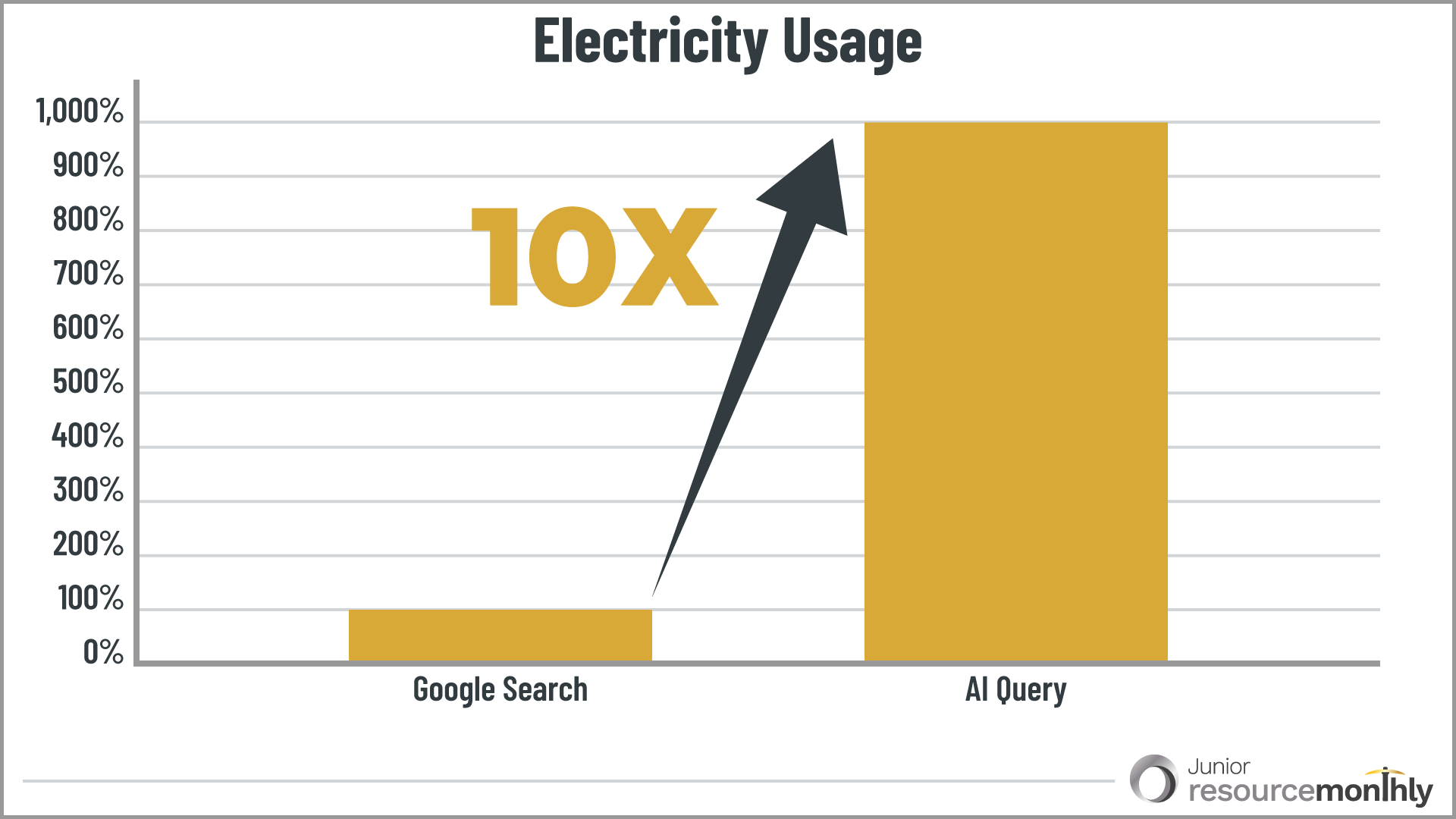
And the new generation of AI models coming online over the next 24 months is projected to consume even more.
Multiply that by hundreds of millions of users, then by billions of queries per day, then by autonomous AI agents running around the clock.
What you get is a level of electricity demand that has never existed before in human history.
Goldman Sachs just raised its forecast for global data center electricity consumption to a 175% increase by 2030.
The smartest energy analysts on Wall Street have admitted there is no version of the future where wind, solar, or natural gas meets that demand.
Wind does not work. AI data centers cannot run intermittently. They have to be on, at full power, 24 hours a day, 365 days a year.
Solar does not work, for the same reason.
Natural gas can’t scale fast enough. The pipelines, permitting, and turbine supply chains are bottlenecked for years.
There is exactly one source of always-on, 24/7, gigawatt-scale power that can carry the AI buildout.
And that’s nuclear.
The four largest, richest, most aggressive corporations on Earth have already figured this out.
The Four Trillion-Dollar Buyers Now Locking Up
Every Ounce They Can Find
So here’s what’s happening…
And why now is the time for investors to get in for the biggest upside potential.
Microsoft signed the largest power purchase agreement in its fifty-year history.
A twenty-year deal, worth multiple billions of dollars, for 835 megawatts of always-on power.
All of it tied to a single American power plant that had been shut down and left for dead.
That plant is Three Mile Island – the nuclear plant at the center of the country’s worst atomic panic.
Microsoft is bringing it back from the dead to power AI.
Microsoft does not normally sign 20-year contracts. Microsoft signs 3-year contracts.
But for this, they made an exception.
Then there’s Meta – the company behind Facebook.
Meta signed its own 20-year contract for 1,121 megawatts of always-on power from a nuclear plant in Illinois.
And Meta’s leadership has stated it is seeking up to 6.6 gigawatts more of nuclear capacity by the early 2030s, enough for roughly five million American homes.
And then there’s Google.
Google went a step further. It bought the future output of seven small nuclear reactors from a Silicon Valley startup called Kairos Power.
Those reactors roll out in partnership with the Tennessee Valley Authority through 2035.
A combined 500 megawatts of always-on power, delivered around the clock, locked up for years…
Every one of them is fueled by uranium.
And we can’t forget Amazon.
Amazon paid $650 million in cash for a single 1,200-acre data center campus in Pennsylvania.
That campus is wired directly into the Susquehanna nuclear power plant, pulling 960 megawatts of always-on power.
So look.
These companies represent a combined market value north of $10 trillion.
And all four are signing multibillion-dollar, multi-decade contracts for the same single resource.
Something like this has never happened before.
Every one of those contracts has to be filled.
And you’re about to see the small group of companies they will be forced to buy from.
But the thing is…
They’re not even the only trillion-dollar names walking in.
Oracle’s chairman disclosed on an earnings call that Oracle is designing a data center that will need more than a gigawatt of continuous power for a single facility.
And he said the only way to get gigawatt-scale, always-on power is nuclear.
Nvidia has taken a direct stake in TerraPower, a leading next-generation nuclear developer.
And the man who runs OpenAI, Sam Altman, is personally financing another called Oklo.
Somebody has to dig up every pound of uranium behind those commitments.
And the small mining stocks positioned to dig it up are still trading for just a few dollars a share. For now, at least.
SpaceX just told the SEC in its IPO filing that the American grid cannot keep pace with what AI is about to require.
But that’s not the end of it.
If it were only the trillion-dollar tech companies racing for the Energy Stone, that alone would make this a Convergence Event.
But it isn’t only Big Tech.
The International Race For The Energy Stone
Has Already Started As Well
The U.S. Department of Defense is now installing small nuclear reactors at strategic bases across the country.
It is starting with Eielson Air Force Base in Alaska.
The Pentagon does not gamble with the power supply of its most strategic bases. When it commits to a fuel, it is because nothing else gets the job done.
And they picked the Energy Stone.
And then there’s China.
The country already has 62 nuclear reactors running, with 39 more under construction. More than the entire rest of the world combined.
Their stated goal is 150 gigawatts of nuclear capacity by 2030, openly aimed at dethroning the United States.
China has announced it can build up to 50 of these facilities simultaneously, with seven more coming online in 2026 alone.
Every pound China locks up is a pound America cannot have. Not the utilities. Not the tech giants. Not the military.
And China is not the only foreign buyer moving.
Japan just restarted its 16th nuclear reactor, part of a nationwide return to the fleet it shut down after the 2011 Fukushima disaster.
Prime Minister Sanae Takaichi has publicly committed to doubling Japan’s nuclear power production by 2040.
Every restart pulls another set of long-term supply contracts off the market before American utilities can bid on them.
Vietnam has officially ended its multi-year pause on nuclear power.
It has reopened its $22 billion Ninh Thuan program, an investment equal to roughly 5% of the country’s entire GDP.
And this is happening under a level of political consensus the sector has never had before.
At the COP28 climate summit in December 2023, 22 nations signed a written declaration to triple their nuclear capacity by 2050.
The list included the United States, France, the United Kingdom, Japan, South Korea, and Canada.
In the United States, the emergency ban on Russian supply passed the Senate by unanimous consent in April 2024.
The White House signed it into law two weeks later.
The Energy Stone producers are no longer on the wrong side of a political fight.
Today, the U.S. military, the Department of Energy, and the biggest technology companies on Earth are all writing them checks at the same time.
And every bit of that new demand is landing on a supply chain that has been starved for forty years.
Every new buyer that walks in is bidding for a pool of supply that is already stretched thin.
Which is great news for investors like us trying to hit it big.
The same government demanding more uranium already publishes, every year, a document showing exactly how much the country is short.
American reactor demand for uranium over the next ten years will require well over 450 million pounds.
Domestic mines, every single small producer on American soil working at full capacity, will pull less than 10 million pounds out of the ground.
That is roughly 2% of what the country needs. A supply emergency this sector has not faced since the OPEC oil embargo of 1973.
Think about the other 98%. Nearly every pound America needs will have to be fought over, at whatever price it takes to win it.
And the small handful of federally-designated producers that own permitted, in-the-ground supply are the companies utilities and tech giants will be forced to bid against each other for.
Their supply problem is a massive boon for you. Because a stake in the right company could become the single most important position in your portfolio.
There Is No Quick Way Out Of This
And look, domestic producers can’t just mine more.
It takes between seven and ten years to bring a new American mine from initial discovery to first commercial production.
Washington can speed up the paperwork, and it is trying.
But no executive order can compress the drilling, the construction, and the mine-building itself.
Even on a fast track, meaningful new American supply is years away, and no amount of corporate money from Microsoft, Meta, Google, or Amazon can change that.
The first new pound from a brand-new American mine would not reach a buyer until well into the 2030s.
And demand is exploding today.
So whoever already owns permitted uranium in the ground controls what everyone needs… right when they need it most.
Most of the new American supply that can come online this decade is already spoken for.
It sits in the hands of a small group of companies with permits in hand, skilled crews on payroll, and uranium in the ground right now.
And The Foreign Supply Is Disappearing In Real Time
Today, the United States imports the overwhelming majority of the uranium it consumes.
Primarily from Russia, Kazakhstan, and Uzbekistan.
In May 2024, in a rare moment of bipartisan agreement, Congress passed and the President signed an emergency bill.
It legally cut off Russian uranium – the single-largest foreign supplier of reactor fuel the United States had relied on for decades.
The very supplier the Megatons to Megawatts deal had chained us to… with no domestic industry ready to take its place.
Then in 2026, Kazakhstan made its move.
The world’s largest uranium producer announced it would start building its own national stockpile… and walked back the market-friendly promises it spent a decade making to the West.
The world’s largest foreign source is being pulled off the global market.
And every other nation with an active program is bidding for the same shrinking pool of supply.
I’m not the only one seeing it.
Bank of America has put a $10 trillion stake on it.
The industry’s own 2025 fuel-supply report says identified supply covers just 46% of what the world will need by 2040.
That leaves 212 million pounds of demand with no identified source.
The Energy Information Administration has publicly warned of a widening supply gap facing U.S. utilities over the next decade.
And after Executive Order 14302 was signed in May 2025, the Department of Energy put it in black and white on its website: the United States “currently lacks the sufficient domestic nuclear fuel resources to meet projected demand.”
Wall Street’s biggest bank, the industry’s own trade group, the government’s own data, and the White House itself… are all pointing at the same shortage.
Which means demand is going way up…
Along with select stocks in the sector.
And the federally-positioned producers with permitted pounds in the ground are the most direct way for regular investors to own a piece of it.
In the 2006 cycle, the single best small producer in the sector returned 1,300-to-1.
A $5,000 Position In That One Company Became
$6.5 Million In Less Than Four Years
A gain like that pays off the mortgage, funds the grandkids’ educations, and rewrites what retirement looks like.
And 2006 has nothing on what I believe could take place this time around.
No Big Tech. No Defense Production Act order aimed at uranium. No massive government tailwinds propelling things forward.
In 15 years of covering this sector, I have never seen this many forces stacked on one resource at one moment.
The mines that feed the Western world are breaking down. Washington has declared a supply emergency in everything but name. And the biggest companies on Earth just became uranium buyers for the first time in history.
A supply shock. A government scramble. A surge of new demand. Those are the same three kinds of forces that collided in 1973, and again in 2006.
The forces are the same. But this time, the buyer behind the demand surge is different… and as you saw, it walked in having already committed more than a trillion dollars.
The Smart Money Is Already Moving
And while most investors still have not connected the dots, the professional capital that does understand this setup has already started moving.
The largest publicly-listed physical uranium fund on Earth kicked off 2026 by buying another 100,000 pounds of physical uranium in the first week of January.
It has not stopped accumulating since.
Its holdings now top 80 million pounds of physical uranium, valued at more than $7 billion.
The fund’s own CEO, John Ciampaglia of Sprott Asset Management, said in 2026 that a real supply crunch is building around 2030 and 2031.
That is when legacy contracts run down and new reactors come online.
And it is not just Sprott.
The president of Cameco, the biggest uranium producer in the West, says American utilities are already locking in supply at prices well above where uranium trades today.
And Cameco itself has already tripled off its lows. The easy money in the giant companies has been made.
But history says the truly enormous gains in a uranium cycle never come from the giants.
They come from one rung below… from the small companies still trading for a few dollars a share.
Before the masses move into these positions.
But the window of opportunity is closing in real time.
Because a massive catalyst just hit.
And I couldn’t ask for a better omen if I tried.
Let me explain.
I told you earlier about Cigar Lake. The half-built Canadian mine that flooded in October 2006.
That single event took an already-rising market and drove uranium from the $50-dollar range to $136 in eight months.
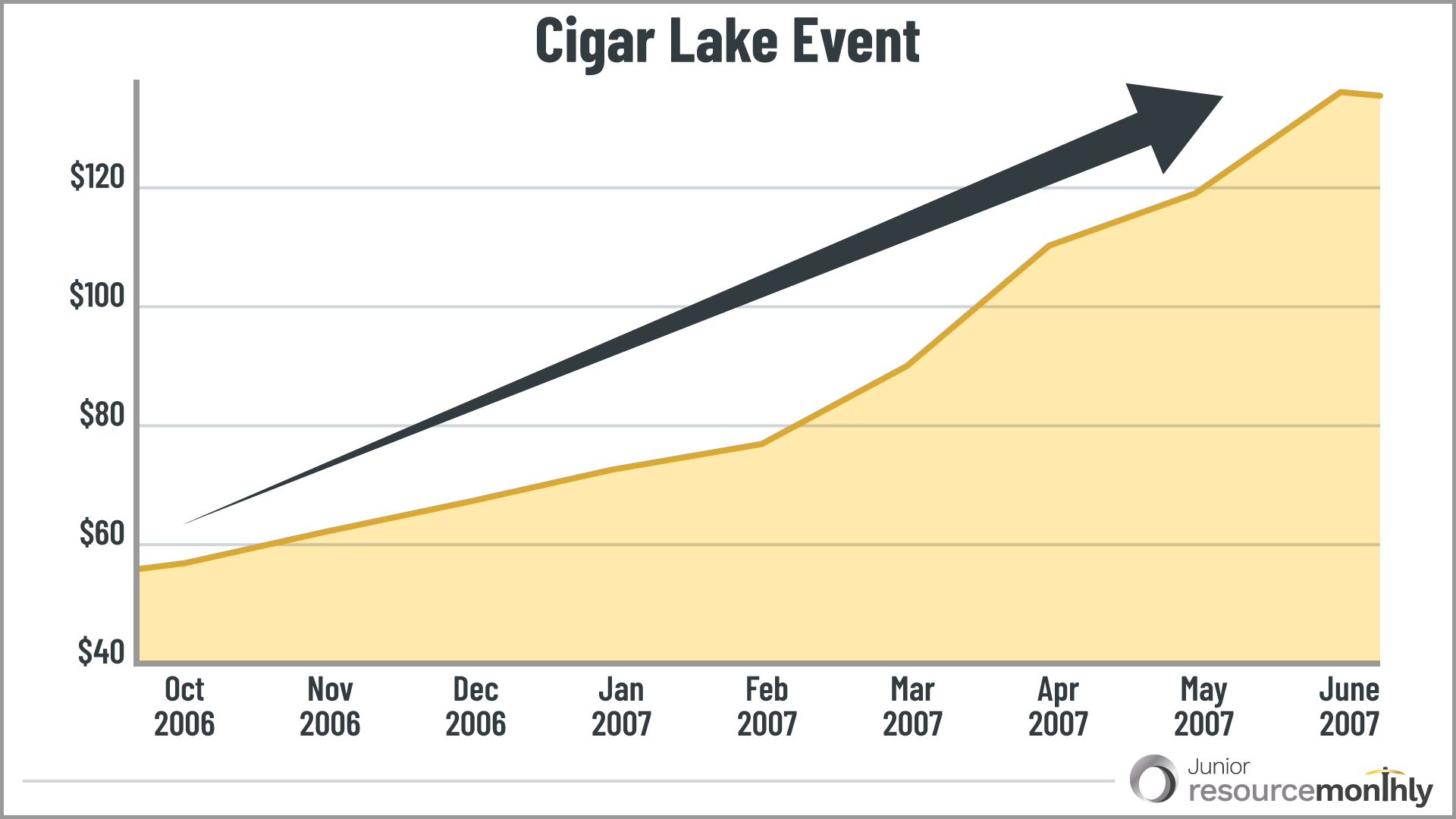
The largest commodity rally of the entire decade.
Well, as it happens…
In May 2026, flooding hit that same corner of northern Saskatchewan… and washed out the primary supply route into the largest operating uranium mining complex on planet Earth.
Key Lake, the largest uranium mill in the world, was forced to stop work.
McArthur River, the biggest high-grade uranium mine in the world, scaled back.
Cameco publicly warned that its entire near-term production outlook for the complex was at risk.
Then, Just Weeks Later, Lightning Struck Again
In early July, Cigar Lake itself went down. And this time, it was not a flood.
The plant that supplies the acid needed to process Cigar Lake’s ore broke down, and with nowhere to put the ore, mining stopped.
The very mine that ignited the last 1,300-to-1 uranium move was suddenly choking off supply at the worst possible moment.
Two supply shocks hit the Western world’s most important uranium region in a single quarter.
The crews patched things up. Production came back.
But the message to every uranium buyer on Earth was unmistakable: the entire Western supply chain is one broken bridge, one failed acid plant, away from seizing up.
And the price has reflected that story ever since.
Utilities do not buy uranium the way you and I buy a stock. They lock in their supply years ahead of time, using long-term contracts.
And by the end of June, after that first shock, the price on those contracts had already hit $97 a pound.
That’s the highest level since early 2008…
And the highest level since the last Convergence Event.
The market is already pricing it in.
And if history repeats, most investors will not hear a word of this until the move is nearly over.
The last time this exact thing happened, in 2006, the average retail investor did not learn the flood had occurred until uranium had already moved from $10 to $72 a pound.
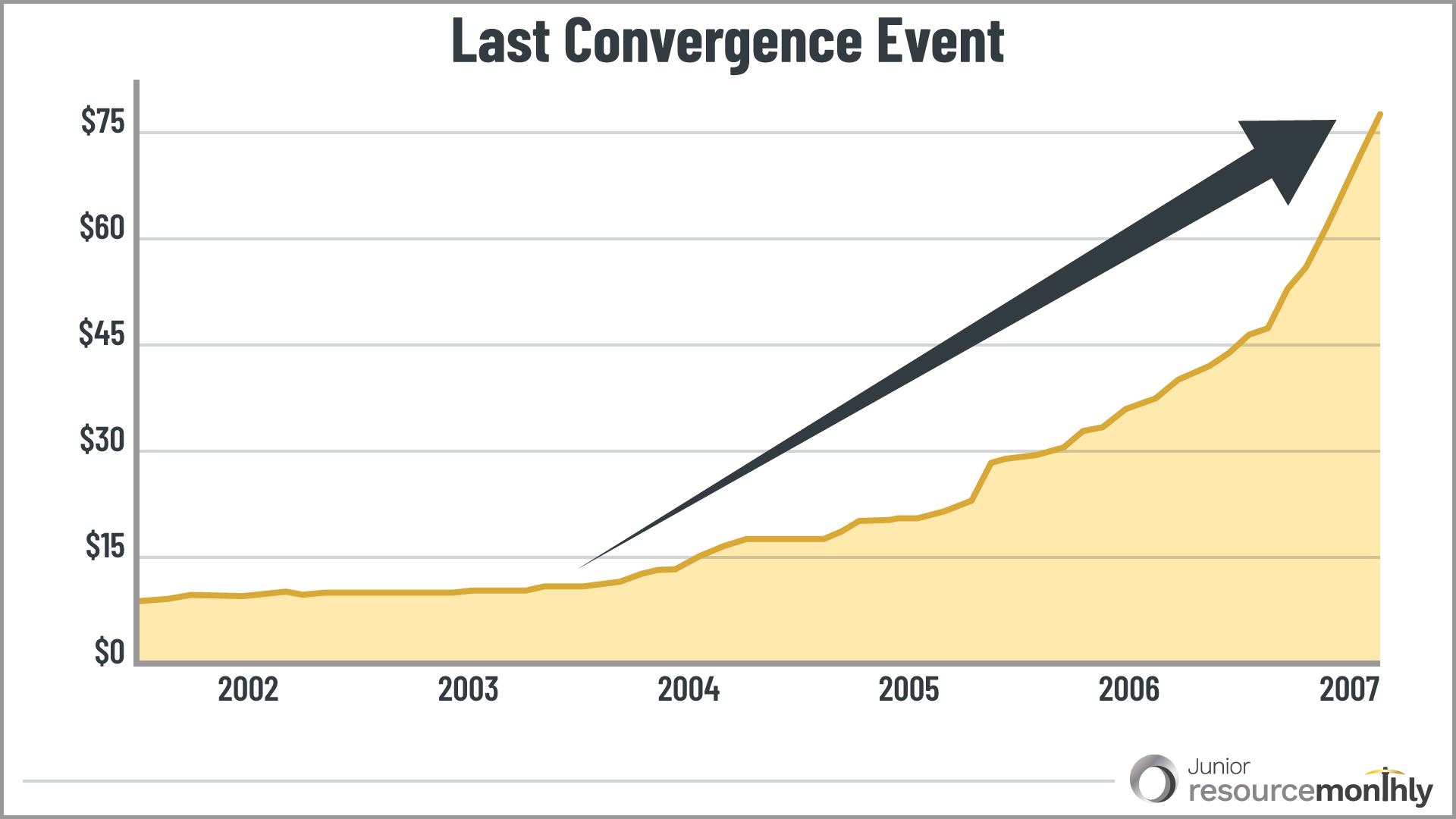
By the time the financial press caught up, the easiest, fattest, most lopsided portion of the gain was already gone.
You are not in that position today.
You are sitting in front of this story right now, before the retail wave has formed and before the spot price has fully repriced.
The Third Convergence Event Has Already Begun
And Is Accelerating Right Now
And the small mining stocks sitting in front of it are still trading, today, at small fractions of what they could be worth six, twelve, or twenty-four months from now.
So the demand is exploding. The supply is breaking. And the price is climbing.
That leaves one question, and it is the only one that puts money in your pocket: which stocks capture the biggest piece of what is coming?
The answer is a far smaller group than most folks would ever guess.
Back in 2022, well before the AI boom, before the four executive orders, before any of the trillion-dollar Big Tech contracts…
The U.S. Department of Energy quietly took an extraordinary step.
The Department awarded supply contracts to a small handful of uranium producers with U.S. operations.
It named them as the authorized suppliers to the U.S. Strategic Uranium Reserve.
The list contained five names.
Most of them with market capitalizations a small fraction of the value of the contracts they were now sitting in front of.
That was 2022.
The demand picture has changed beyond all recognition since then.
But that small group of federally-designated suppliers remains the same.
They are the only companies with the licensed U.S. infrastructure to actually deliver pounds out of the ground in the near term.
You cannot create a new federally-designated uranium supplier in 2026 by signing a piece of paper.
You can only invest in the small group that already exists.
Now, that list is public. You could go dig up all five names today and buy every one of them.
But that would be a mistake.
Because those five companies are not equal.
Some are priced as if the boom already happened.
Some carry problems the headlines have not caught up to yet.
Buying uranium stocks blindly is exactly how regular investors lose money in this sector, even when they are dead right about the cycle.
From what I’ve seen, I believe only one of those five companies is worth investing in.
And it’s only one of the three uranium stocks I am about to tell you about.
Because as I’ve just shown you…
The Time To Get In Is NOW
In late 2020, uranium was trading at roughly $30 per pound.
By early 2024, it had crossed $100 per pound for the first time since the peak of the last Convergence Event in 2007.
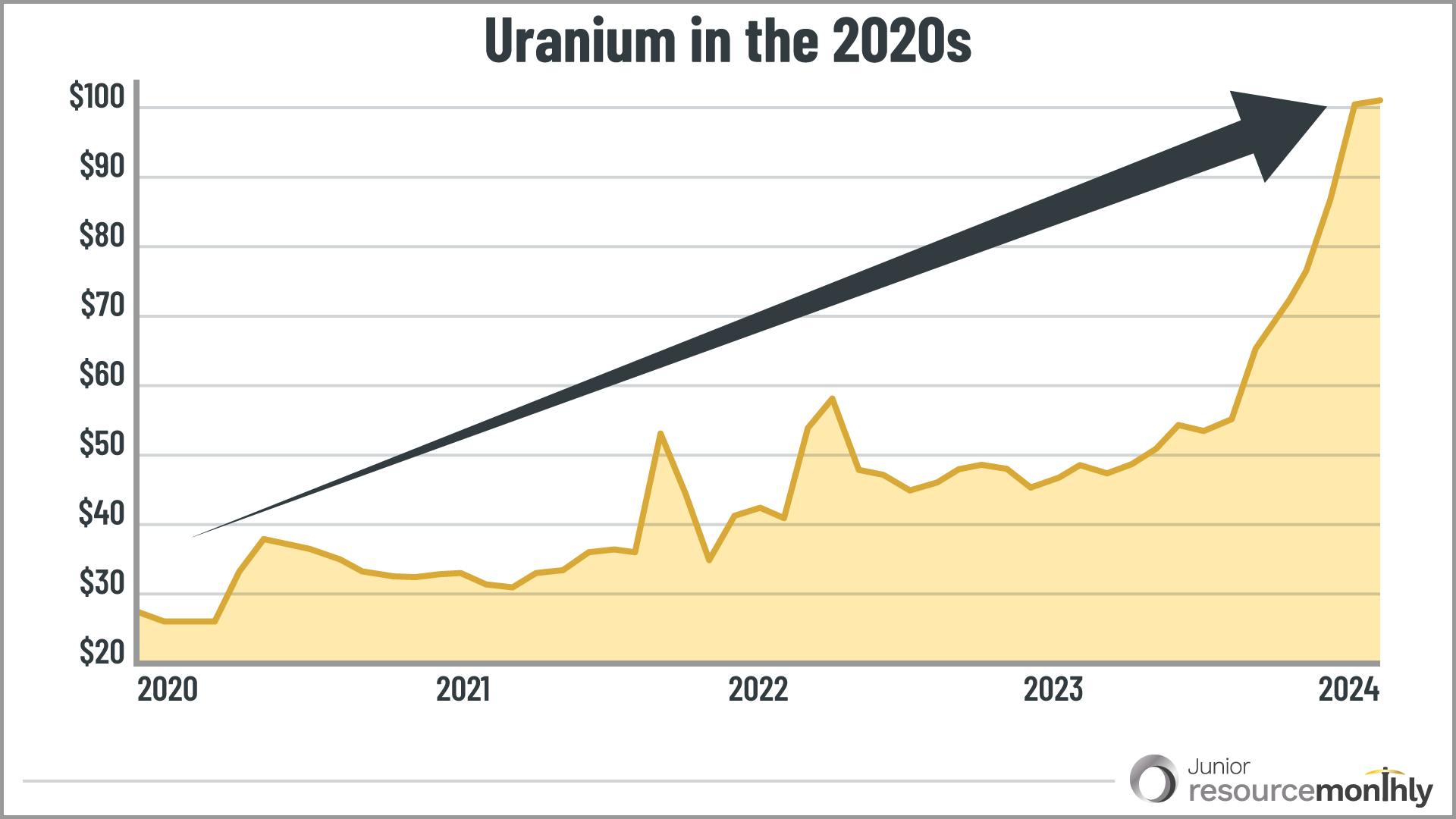
The underlying commodity has already more than tripled in less than four years.
The president of Cameco recently went on the record about the contracts utilities are signing right now. Roughly 70% of the long-term volumes contracted across the industry in the past year are already priced in the triple digits. And the midpoint of those deals, in his words, is nearly $120 a pound.
And Bank of America’s metals desk sees spot uranium climbing to $135 in 2027.
That is what the largest buyers now expect.
And this is where small investors like us come in.
The small companies do not move like the commodity. They move exponentially to the spot price.
In the last cycle, spot uranium rose fourteenfold.
And the most leveraged small juniors returned 10,000%, 30,000%, even 114,300%.
And the company at the very top of the leaderboard returned 130,400%.
Enough to turn that same $5,000 stake into more than $6.5 million in less than four years.
I don’t know for sure what’s going to happen – no one does.
But I can say the odds are stacked heavily in our favor.
Which is why I needed to get this information in front of you as soon as I could.
The Three Small Uranium Stocks
I’m Putting My Own Money Behind
I’ve spent the past several months doing exactly the kind of work I described to you earlier.
Walking the ground. Sitting in management meetings. Reading reports.
I’ve spent months reviewing the North American uranium juniors that fit this Convergence Event profile.
I’ve narrowed that list down to three specific small companies.
My first pick is the safest way I know to own this story.
It is the one company from that federal list of five that belongs in your portfolio today… and it is pulling uranium out of American soil right now.
It is American through and through, with active production across the Colorado Plateau and the Wyoming basin, and multiple licensed uranium processing facilities already up and running.
And the uranium already sitting in its ground, at the current long-term price, is worth roughly twelve times what the entire company trades for today.
In other words, the market is handing you the mine for less than a tenth of the value of the ore inside it.
The second pick is the high-leverage exploration position.
An earlier-stage North American uranium explorer with one of the largest uranium-prospective land positions held by any junior in the entire sector.
Spanning two of the world’s most prolific uranium discovery basins.
The company is cashed up, currently drilling, and trading at a small fraction of its existing in-ground resource value.
The third pick is not a miner at all.
It is a way to own the uranium itself. Tens of millions of pounds of it, physically sitting in secure, licensed storage, worth billions of dollars.
It trades under a regular ticker symbol, and you can buy it in any brokerage account.
It carries none of the risks that come with running a mine. When the price of uranium climbs, it climbs with it, pound for pound.
I’ve put my own money behind every one of them.
And in the next few minutes you’ll have the opportunity to get the full names and tickers.
All three of these are things you can buy today, in any regular brokerage account, with no options approval, no accredited-investor paperwork, and no special access required.
I’ve put all of that research, on all three companies, into a brand-new special report called:
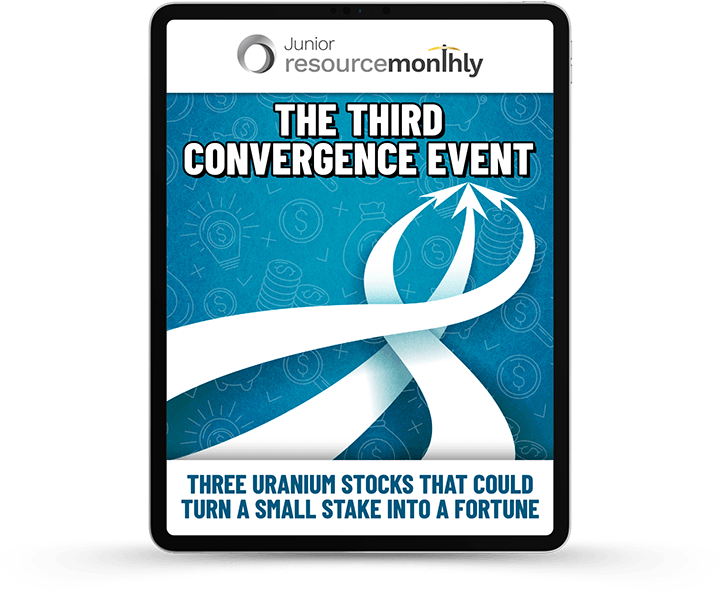
The Third Convergence Event: Three Uranium Stocks That Could Turn A Small Stake Into A Fortune.
It’s one of the most important pieces of research I have ever put my name on.
And I would like to send you a copy today, absolutely FREE, when you take a 100% risk-free trial of my research service, Junior Resource Monthly.
Inside the report, you get each company’s name and ticker symbol. You get a thorough profile of every pick, based on my firsthand, seasoned analysis.
And you get my recommended buy range, so you never overpay… and keep the greatest profit potential in front of you.
But that isn’t all you’ll receive when you get started today.
I also want to send you…
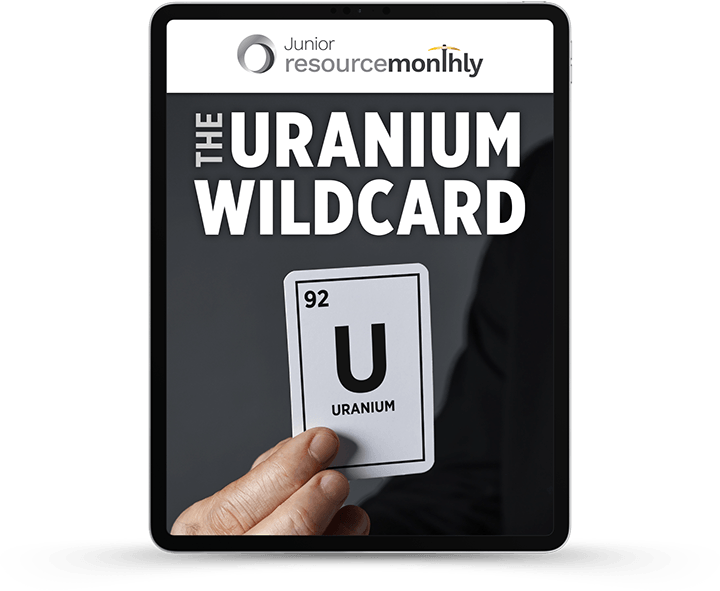
FREE Bonus Report #1: The Uranium Wildcard
There is one more junior uranium play for the third Convergence Event that I want you to have.
A small junior uranium explorer with a very large portfolio of 43 projects inside the Athabasca Basin of northern Saskatchewan.
The single most prolific uranium-producing district in the world.
The Athabasca has produced the world’s richest uranium discoveries, sometimes at grades 10 to 100 times higher than the global average.
It’s the same basin where some of the biggest uranium fortunes of the 2006 Convergence Event were made.
This company is drilling right now. Currently trading in my active buy zone.
It offers a different risk-reward profile than the three core picks. More leveraged to an exploration outcome. A bit more speculative.
But with potentially much higher upside if the drill program delivers the kind of result the Athabasca is famous for.
Inside this free bonus report you get the full name, the ticker symbol, my entry price, and my current buy-up-to level.
You also get my expected catalysts over the next 12 months.
And the full thesis behind why I keep this position in my own portfolio alongside the three core picks.
I also want to send you one more thing…
FREE Bonus Report #2: The Next Convergence
The same three forces that create a Convergence Event are starting to gather around three other strategic resources right now, in 2026.
Every one of them is an energy-critical companion to the AI buildout.
Resource #1: Copper.
Every AI data center on Earth needs enormous amounts of copper for power distribution, cooling, and grid interconnection. Goldman Sachs has called copper “the new oil.”
And just like uranium, the sector spent decades underinvested.
Resource #2: Silver.
The most electrically conductive metal on Earth. The AI buildout needs it for every solar panel, every big battery, and every advanced chip.
And silver has been running a structural supply deficit for five consecutive years. The longest sustained silver deficit in modern history.
Resource #3: Lithium.
Every AI data center needs backup power. Grid-scale battery storage is increasingly mandatory.
And the lithium sector has been crushed by a brutal bear market that left even the highest-quality developers trading at small fractions of their peak valuations.
Markets like that never last forever.
So inside The Next Convergence, I hand you one specific small-cap pick for each of those three resources.
My copper pick is one of the highest-conviction small-cap copper discoveries I have ever seen.
The project sits in a tier-one Latin American jurisdiction, the company is well-funded, drilling continues, and the resource keeps growing.
My silver pick is a fully permitted silver and gold producer in Mexico, run by an operating team I have personally known for years. Current upside to my published target is roughly 145%.
And my lithium pick is a North American developer sitting on one of the richest deposits ever drilled on the continent… quietly back in my buy range for the first time in years.
You get all three company names, all three ticker symbols, my entry prices, my buy-up-to levels, and the full thesis behind each of them.
In addition to those three reports, you’ll also receive:
- 12 monthly issues of Junior Resource Monthly. Each issue is packed with financial research, profit opportunities, and market insights you won’t find anywhere else. Plus, you get access to my archives, with additional profit opportunities, for free.
- 24/7 access to my Model Portfolio. This includes all my open recommendations, so you can pick and choose how you want to position yourself for maximum gains.
- Flash Alerts. Immediate updates to the model portfolio when needed, along with opportunities that require quick action.
- Access to my Natural Resource Wealth Library. A growing collection of special investor reports covering resource opportunities few analysts have even heard of.
- And a dedicated Customer Service Team. If you ever have a question about your membership, you can call or email us any time, and we’ll walk you through whatever you need.
What Junior Resource Monthly Members Have To Say
It’s a great time to join Junior Resource Monthly.
A lot of opportunities are coming down the pike.
And if history is any guide, my members have a lot to look forward to over the coming months.
One of my long-time subscribers is a man up in Windsor, Ontario named Kim.
He called in recently and told us that my recommendations are about to make him a million dollars.
Listen to what he had to say.
“I’ve been following these guys for like 15, 20 years…
Well, between the Patriot Metal and the Q2, I’m going to expect to get a million out of that one.
Patriot, or PMET now, I bought at 42 cents.
And it’s at, what, $6.65 right now. So doing well with that.
My sense with PMET is that that bugger could hit $20, $30 in the near future…
Well, they’ve made me a lot of money, and for that, I am most grateful.”
That’s not me talking. That’s a real subscriber, in his own voice, telling you my recommendations are putting a million dollars in his pocket.
Here is what another subscriber, Bob, had to say.
“It is, without a doubt, the best service I have ever had.
I am beginning to make money hand over fist with these recommendations.
What I like about them – to me, it’s a purely speculative portfolio – is that these are stocks that haven’t been recognized yet. They’re small. They’re priced very low. I can buy multiple shares, and I’m sitting on them.
I got a couple that are down, but most of them are up. So I want to thank you. I’ve been very, very pleased.”
Can’t argue with that.
But these are just a couple stories we’ve heard from subscribers.
There are dozens more.
Like Glenn, who put C$62,000 into one of my mining picks based on my research. That position grew to roughly C$359,000. Nearly six times his money on a single recommendation.
And David, who built a four-stock position with $120,000. Six months later, he was sitting on $270,000. $150,000 in profit in half a year.
Then there’s Jack, who booked a 2,000% gain on a single trade, wrote in to say:
“Gerardo is just fantastic, there’s no other way to say it. I make money. No… he makes money for me. Big time! My God! He’s been giving me a Christmas present every month… and all I can say is we are not talking about nickels and dimes… this guy is really, really great!”
And George said:
“Thank you Mr. Del Real… Thank you! Since using your publication my portfolio is rapidly advancing. This is truly a dream unfolding! Thank you for your publications based on hard work and something that today is hard to find… your HONESTY and INTEGRITY!”
And my inbox stays full of notes like these and I couldn’t be happier about their success with Junior Resource Monthly.
I want that same kind of success for you.
But, before we go further, I want to be straight with you about something.
A lot of these are small companies. Speculative companies.
In every cycle I have ever traded, a few juniors returned 10,000%. Dozens more went nowhere. Plenty went to zero.
That was true in 2006 as well. Five names made that famous leaderboard, while hundreds of other juniors never went anywhere at all.
That is exactly why the winners paid the way they did.
And it is exactly why you never bet the farm on a setup like this. You never invest money you can’t afford to lose.
The good news is… you don’t need to bet the farm.
You can potentially see very healthy gains even with smaller stakes.
As I’ve shown you repeatedly today, even a $1,000 stake could turn into hundreds of thousands. Even a million.
It all comes down to owning the right names before the crowd shows up… and staying far away from the wrong ones.
That is my job. It’s what I have spent my entire career learning to do. It’s why I walk the ground, sit with the management teams, and put my own money in first.
Now, anyone can pull up a list of uranium stocks. The names are all public.
But a name does not tell you when to get in or out. A name will not tell you which of these companies is a trap with a good story… and which one could be the next 10,000% winner.
That’s where experience and a strong insider network come in.
I’ve spent much of my adult life mastering this process.
And I’ve Made Millions As A Result
So I do the heavy lifting and you simply decide which recommendations are right for you.
By now you might be wondering what it costs to become a member of Junior Resource Monthly and get all of this research in your hands today.
Well, consider what people already pay for far less.
A single seat at a major mining and resource investment conference runs anywhere from $2,500 to $5,000, for just two days of access. That is where the professionals I described earlier gather to trade this exact kind of intelligence.
A typical financial advisor charges roughly 1% a year to manage your money. On a $200,000 portfolio, that is $2,000 every single year. And that advice will never put a small-cap uranium pick in front of you.
Normally, access to Junior Resource Monthly only costs $249 a year.
And at that price, it is an absolute bargain, especially when you consider that a single $1,000 stake in the right uranium stock once turned into more than $1.3 million.
But you will not even pay that today.
When you get started right now, you get everything you have seen here, the flagship uranium report, both free bonus reports, and a full year of Junior Resource Monthly, for the discounted price of just $199 for a year.
That comes out to about 55 cents a day.
Less than the loose change most folks have sitting in their car right now… for the research that could hand you the biggest win of your investing life.
You could even take the money you’re saving and put it straight into one of the uranium picks in my report… and give yourself the chance to watch it grow the way investors did the last time these conditions appeared.
Try Everything 100% Risk-Free For A Full 30 Days
And like all my premium research, you can try everything today completely risk-free.
If at any time over your first 30 days you decide this isn’t for you, simply contact our customer service team, and we’ll refund every penny of your $199 membership. No questions asked.
You keep The Third Convergence Event report.
You keep The Uranium Wildcard.
You keep The Next Convergence.
You keep every monthly issue you’ve received up to that point.
All the risk sits with me. None of it sits with you.
Your Single-Stock Millionaire Window Is Open Right Now
It’s a no-brainer decision.
Now, I can’t tell you precisely when the third Convergence Event will fully price in.
But what I can tell you is this…
The supply gap is real. The federal action is signed. The Big Tech contracts are inked. The military deployments have begun.
The long-term price of uranium just hit its highest level since 2008. The spot price has already tripled.
And the small group of producers that sits in front of all of it has not yet priced in even a fraction of what is coming.
Past returns do not guarantee future ones.
But this setup is one of the best I’ve seen in all my years of doing this work.
So now, you have a choice to make.
A year from now, if even half of what I showed you today plays out, these tiny stocks will not be trading anywhere near where they are right now.
The crowd will have arrived. And the potential gains sitting quietly in front of you today will belong to somebody.
You can ignore what I’m telling you and watch the third Convergence Event play out from the sidelines, reading about the investors who got in early, back when it was all just beginning.
Or you can be one of them.
If you get in now, you’re getting in early.
No matter what happens next in the economy or the market…
This thesis will remain true.
No matter what, we are desperate for energy supply.
And Big Tech, the utility companies, and governments around the globe all recognize that nuclear is the future.
The world is starving for uranium.
And I have three of the best uranium picks to buy right now…
FREE when you join me today.
Again, you’re backed by a 30-day money-back guarantee that lets you keep everything either way.
You can have the names, the tickers, and the buy zones in your hands five minutes from now.
All you have to do is click the button below.
You’ll be taken to a secure checkout page that will only take you a minute to fill out.
The moment your membership is confirmed, The Third Convergence Event report, along with both free bonus reports and every monthly issue going forward, will be sitting in your inbox.
The third Convergence Event is here and your window to get in early is standing wide open.
You may never see another chance at single stock fortunes like what we’re about to witness.
Now’s your chance to make the most of it.
So if you’re ready to join me, click that button now and let’s get it.
Thanks for watching.
Let’s get it,

Gerardo Del Real
Editor, Junior Resource Monthly